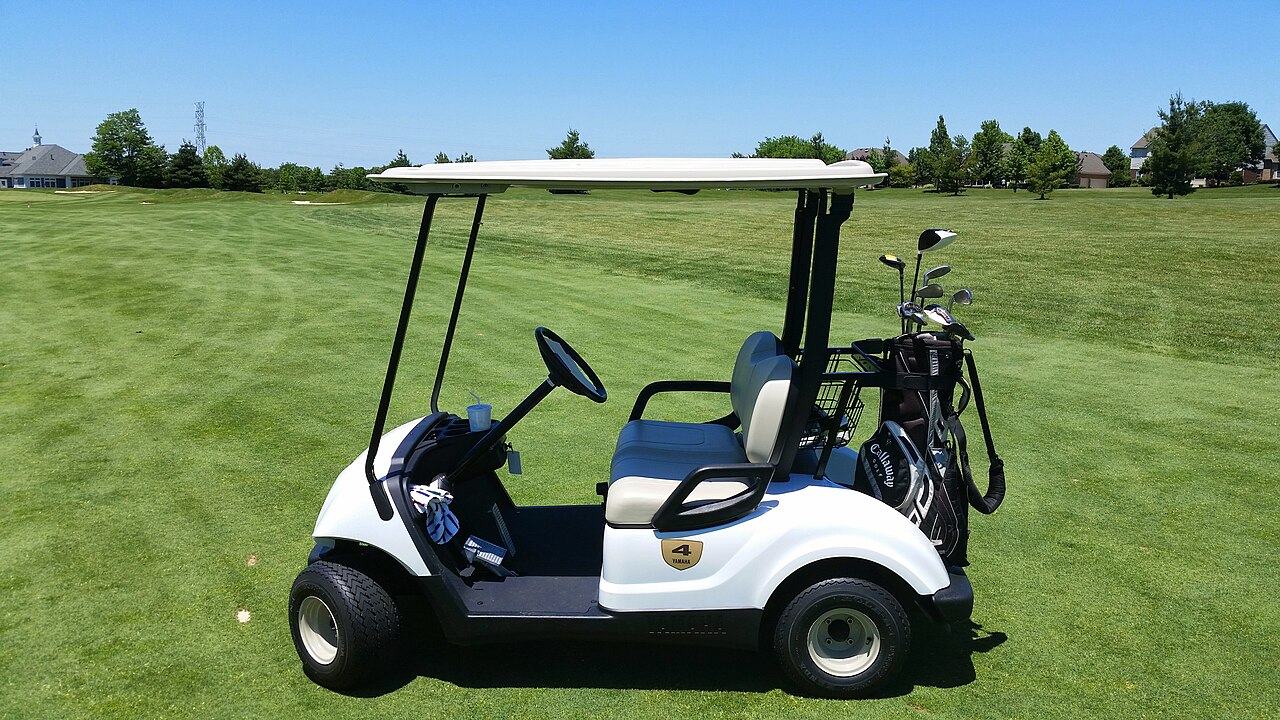
A good buddies golf trip needs one organizer, a budget everyone agrees to before anything is booked, a destination that suits the weakest golfer’s wallet, deposits collected up front, and a competition format that keeps all eight guys in it until Sunday. Get those five things right and the golf takes care of itself.
Most buddies trips don’t fall apart over the golf. They fall apart over money. One guy books a $400 round without asking, one never pays his share of the house, the 5-handicap wins every bet, and by year three the group chat has gone quiet. The trips that last twenty years have something in common, and it isn’t the destination. It’s a bit of structure that nobody notices because it works.
This is the playbook for that structure. It covers choosing where to go, what the organizer actually has to do, how to handle deposits and split costs, who sleeps where, and how to run a competition that’s fun for the scratch golfer and the guy who plays twice a year. It also covers side bets that don’t ruin friendships, and a few extras such as trip names, trophies and bachelor parties. It’s the hub for all of our group golf trip guides, so each section points to a deeper page when you need one.
Costs below were checked in September 2026. Handicap allowances follow the World Handicap System recommendations the USGA publishes.
At a glance
- Ideal group size: 4, 8 or 12. Multiples of four fill tee times and split evenly into teams.
- Organizer: one “captain” with authority to book. Committees don’t book tee times.
- Budget first: agree an all-in per-person number before anyone looks at courses.
- Deposits: collect 25–50% of the trip cost per person at sign-up, non-refundable unless someone takes the spot.
- Typical cost: $1,100–$1,700 per golfer for a 3-night, 4-round Myrtle Beach trip with flights; $2,000–$4,000+ for Bandon, Pinehurst or Streamsong.
- Best competition: a Ryder Cup-style team format with net scoring and fair handicap allowances.
- Bets: keep the stakes low enough that the worst golfer can lose every bet and still come back next year.

Step 1: Decide who’s going and how many
Group size is the first decision, and it shapes everything else: lodging, tee times, cars, formats and the tone of the trip.
Four golfers is the easiest trip there is. One tee time, one rental car, one house or two hotel rooms, and any destination is possible, including resorts with limited tee times like Bandon Dunes or Pebble Beach. It’s also the most fragile: if one guy drops out, you’re a threesome.
Eight golfers is the sweet spot for most buddies trips. Two tee times back to back, a four-bedroom house, a Ryder Cup format with two teams of four, and enough people that no single personality dominates. Most destinations handle eight easily.
Twelve golfers is a great trip with more admin. Three consecutive tee times get harder to book at popular courses, and you’ll need either a big house or several condos, plus a 12-passenger van or three cars. Formats scale nicely: three teams, or two teams of six.
Sixteen or more starts to become an event rather than a trip. It’s very doable, especially with a package operator, but you’ll need a second organizer and a clear rulebook.
Whatever the number, aim for a multiple of four. Sevens and elevens create a threesome every round, somebody always ends up playing alone in a cart, and the team format never works cleanly.
A word on the invite list: the best trips are built around people who actually enjoy each other’s company for four days, not around who plays the best golf. A mix of handicaps is fine. The formats below handle that. A mix of attitudes toward money, alcohol and early tee times is harder, so talk about expectations before anyone commits.
Step 2: Appoint a captain (and give them the power to book)
Every successful buddies trip has one person in charge. Call the role captain, commissioner or “the person who does all the work”. What matters is that they have the authority to make decisions and book things without a vote on every detail.
The captain’s job, in order:
- Set the dates and the budget range. Send one message with two or three date options and an all-in per-person budget range, and ask for yes or no by a deadline.
- Collect deposits. Nobody is “in” until they’ve paid. More on this below.
- Book the anchor: the lodging or the hardest tee time. Whichever is scarcer at that destination.
- Book the rest of the golf, then transport.
- Build a simple trip sheet: dates, addresses, tee times, pairings, who’s in which room, who’s driving, what’s owed.
- Run the competition, or delegate that to a second person who loves spreadsheets.
- Settle up at the end, within a week of getting home.
The captain should also get something for the job. Common arrangements are a free round, a discounted share of the house, first pick of bedrooms or simply not paying for the first night’s dinner. It’s a lot of work and it’s worth rewarding, or nobody volunteers next year.
The most common captain mistake is running the trip by group vote. Eight guys voting on four courses produces three days of messages and no bookings. Ask for input once, then decide.
Our guide to how to organize a golf trip has a full captain’s checklist and a 16-week timeline.
Step 3: Agree the budget before the destination
This is the step groups skip, and it causes most of the trouble later. Somebody suggests Bandon Dunes, everyone gets excited, and three weeks later two guys quietly drop out because they can’t afford it.
Set a per-person, all-in budget range first: flights, lodging, golf, caddies and tips, cars, food and drink. Then pick a destination that fits it. The destination follows from the budget, not the other way round.
Here’s roughly what different kinds of buddies trips cost per golfer, using prices checked in September 2026.
| Trip type | Example | Length | All-in per golfer (flights included where flown) | Notes |
|---|---|---|---|---|
| Drive-to value trip | Myrtle Beach package from a drivable city | 3 nights, 4 rounds | About $700–$1,100 | Gas split four ways; package $450–$700+ per golfer |
| Fly-in value trip | Myrtle Beach package with flights | 3 nights, 4 rounds | About $1,100–$1,700 | The classic buddies trip |
| Desert trip | Scottsdale in spring | 3–4 nights, 4 rounds | About $1,800–$3,000 | Peak-season green fees are high; shoulder season much cheaper |
| Destination resort | Streamsong, Sand Valley or Pinehurst | 3 nights, 4–5 rounds | About $2,000–$3,500 | Resort lodging and walking golf; caddies extra |
| Bucket-list resort | Bandon Dunes | 3–4 nights, 5–6 rounds | About $2,500–$4,000+ | Guest green fees $130 to $375 per round by season; caddies $100 per bag plus tip |
| Overseas | Scotland or Ireland | 7 nights, 5–6 rounds | About $5,000–$9,000 | Green fees at the famous courses €450–€500 and up |
A practical trick: send the budget question as a range with three tiers (“Option A: about $1,200, Option B: about $2,000, Option C: about $3,500, all-in including flights”) and ask everyone to answer privately to the captain. People will tell the captain what they can afford when they won’t say it in the group chat.
Our full golf trip cost breakdown has line-by-line budgets for each type of trip.
What are the best destinations for a buddies golf trip?
Myrtle Beach is the best all-round buddies trip for value and volume, Scottsdale for warm spring golf and nightlife, and Bandon Dunes, Streamsong or Sand Valley for a pure golf trip. Pinehurst suits groups who want history and walkable nights out. Pick the one that fits the group’s budget and mood, not just its best golfer.
Here’s how the classic buddies-trip destinations stack up for a group of eight.
| Destination | Why groups love it | Group-friendly lodging | Walking or riding | Best for |
|---|---|---|---|---|
| Myrtle Beach, SC | 80-plus courses, cheap packages, 36-hole days are normal | Condos with golf bag storage | Mostly carts | Mixed budgets, big groups, first trips |
| Scottsdale, AZ | Great desert courses, restaurants and nightlife, easy flights | Rental houses with pools; resorts | Carts | Spring trips, groups who want evenings out |
| Bandon Dunes, OR | World-class links, pure golf atmosphere | Resort lodges and cottages | Walking only, caddies available | Serious golfers, bucket-list trips |
| Pinehurst, NC | Nine resort courses plus No. 2, walkable village | Resort hotel, cottages, rentals | Both | History, variety, good pubs |
| Streamsong, FL | Three top courses in the middle of nowhere | Resort lodge | Walking encouraged, carts on some | Winter trips, pure golf |
| Sand Valley, WI | Big sand dunes, short courses, fun atmosphere | Resort lodging and cottages | Walking only | Summer trips, groups who like to walk |
| Las Vegas, NV | Golf by day, everything else by night | Hotels | Carts | Bachelor parties, short trips |
| Scotland or Ireland | The real thing | Hotels, driver-guide minibus | Walking | The once-a-decade trip |
A few honest notes. Bandon, Sand Valley and Streamsong are remote, and that’s the point: there’s not much to do except play golf and eat. That’s heaven for some groups and a long three days for others. Scottsdale and Las Vegas are the opposite. Myrtle Beach sits in the middle, which is part of why it’s the default.
Deeper guides: Myrtle Beach golf trips, Scottsdale golf trips and our ranked list of the best buddies golf trip destinations.
How do you handle deposits and split costs on a golf trip?
Collect a non-refundable deposit of 25–50% of the estimated trip cost from each golfer before booking anything. Have one person pay the big shared bills (lodging, tee times) and track them in a shared expense app. Settle individual costs, like drinks and extra rounds, separately, and pay everyone back within a week.
Money is where friendships get tested, so set simple rules and write them down.
Deposits. Nobody is on the trip until they’ve paid. The deposit should cover their share of whatever you have to pay up front, usually the house deposit and any prepaid tee times. Make it non-refundable unless the golfer finds a replacement or the captain fills the spot. It sounds harsh. It saves the other seven from covering someone who dropped out two weeks before.
Shared costs. Lodging, prepaid golf, the van, fuel and group dinners split evenly. The easy way is for one person to pay and log everything in an expense-splitting app like Splitwise, Tricount or Settle Up, then have everyone pay their balance through Venmo or Zelle at the end.
Individual costs. Bar tabs, extra rounds, pro shop purchases, lessons and caddie fees are each golfer’s own. Caddie fees are usually per bag, so a golfer who takes a caddie pays for his own.
The awkward ones:
- Different room sizes. If some guys get a private room and others share a bunk room, charge the private rooms a bit more. A $50–$100 premium per person for a private room is common and heads off resentment.
- Guys who don’t drink. If the group buys alcohol for the house, split that separately from groceries.
- Late arrivals and early departures. Charge a full share of the house. The house cost doesn’t drop because one guy leaves a day early.
- Different golf. If six guys play 36 and two play 18, split the replay round among the six.
Here’s what a clean split looks like for eight golfers on a three-night trip.
| Cost | Total | Split | Per golfer |
|---|---|---|---|
| Rental house, 3 nights | $3,600 | Even, 8 ways | $450 |
| Four rounds with carts (prepaid package rate) | $3,200 | Even, 8 ways | $400 |
| Two minivans, fuel and parking | $640 | Even, 8 ways | $80 |
| Groceries and house drinks | $560 | Even, 8 ways | $70 |
| Group dinner (one night) | $960 | Even, 8 ways | $120 |
| Shared total | $8,960 | $1,120 | |
| Flights, bar tabs, extra rounds, caddies | Varies | Individual | Varies |
More templates, including how to handle a golfer who pays for his own flight but not his room, are in how to split costs on a golf trip.
Step 4: Rooming, cars and the trip sheet
Rooming. Nobody forgets who they roomed with, especially the snorer. Some rules that work:
- Beds before bedrooms. Count actual beds, not “sleeps 10”. A pull-out sofa is not a bed for a 45-year-old golfer.
- Separate the snorers. Ask directly and put them together, or give them the private rooms and charge accordingly.
- Rotate annual trips. Whoever got the best room last year gets a worse one this year.
- Assign rooms in advance. It saves a 10-minute scramble at the front door.
Cars. Four golfers with four golf bags need a large SUV or a minivan. Eight need two minivans or a 12-passenger van, which rental companies don’t have in large numbers. Book it early. Pick two designated drivers per day, or book a shuttle for dinners.
The trip sheet. One page or a shared doc with everything: addresses, gate codes, tee times, confirmation numbers, pairings, room assignments, driving schedule, dinner reservations, the competition format and the current standings. Send it a week before the trip and pin it in the group chat.
Clubs. Decide early whether everyone flies with clubs, ships them or rents. On a fly-in trip, the $45–$55 each-way bag fee and the minivan space both matter. Our flying with golf clubs guide lays out the options.
Step 5: Pick formats that work for your group size
The competition is what turns four rounds of golf into a trip people talk about for a year. The trick is picking formats that keep everyone interested, including the golfer who shoots 105.
For 4 golfers
- Two-man teams, rotating partners. Play four-ball (each player plays his own ball and the team takes the better score) and change partners every six holes or every round.
- Wolf. A rotating game where one player chooses a partner, or goes alone, after seeing tee shots. Great fun and very fair across handicaps.
- Individual Stableford over the trip. Points per hole based on net score; add up all rounds for an overall winner.
For 8 golfers
- Ryder Cup format. Two teams of four with team captains. Four-ball, foursomes (alternate shot) and singles matches over three days. The best format for most eight-man groups. More below.
- Two-man team Stableford. Fixed pairs for the whole trip, best net Stableford score per hole counts.
- Scramble on the last day. Two teams of four playing a scramble, where everyone hits and the team plays from the best shot each time. A fun, relaxed way to end a trip after the serious matches.
For 12 golfers
- Three-team Ryder Cup. Three teams of four play round-robin matches, with points from every match going into the team total.
- Two teams of six. A bigger Ryder Cup: three four-ball matches, three foursomes and six singles.
- Individual net Stableford with a daily prize plus an overall trip champion.
For 16 golfers
- Two teams of eight, or four teams of four playing a round-robin.
- Split into flights by handicap for individual prizes, so the high handicappers have a real chance.
Detailed setups and scorecards for each group size are in golf trip formats for 8 players and golf trip games.
How does a Ryder Cup format work for a golf trip?
Split the group into two equal teams with a captain each. Over the trip, play four-ball matches (better ball), foursomes (alternate shot) and singles, all match play. Each match win is worth one point and a halved match half a point. The team with the most points at the end wins the trophy.
Here’s a standard setup for eight golfers over three rounds.
| Round | Format | Matches | Points available |
|---|---|---|---|
| Day 1 | Four-ball (better ball), 2-man teams | 2 | 2 |
| Day 2 | Foursomes (alternate shot), 2-man teams | 2 | 2 |
| Day 3 | Singles | 4 | 4 |
| Total | 8 | 8 (4.5 to win) |
For 12 golfers in two teams of six, triple the matches on days 1 and 2 (three each) and play six singles, for 12 points total and 6.5 to win. For a four-round trip, add another four-ball or foursomes session before the singles.
Setting up teams. The simplest fair method is a draft. Two captains take turns picking, with the lowest handicappers split evenly. Or rank everyone by handicap and alternate: 1 and 4 on one team, 2 and 3 on the other, and so on.
Handicaps: use allowances, not full handicaps. Giving a 20-handicapper his full strokes in a four-ball match makes him too strong, because his partner covers his bad holes. The World Handicap System recommends these allowances for match play and team formats, based on each player’s course handicap:
| Format | Recommended allowance |
|---|---|
| Singles match play | 100% of course handicap; the lower player gives the difference |
| Four-ball match play | 90% of each player’s course handicap; strokes off the lowest player in the match |
| Four-ball stroke play | 85% |
| Foursomes (alternate shot) | 50% of the partners’ combined course handicaps |
| Individual stroke play | 95% |
| Four-person scramble | 25%, 20%, 15% and 10% (lowest to highest handicap) |
| Two-person scramble | 35% of the low handicap plus 15% of the high |
It sounds fussy, but getting this right is the difference between close matches on Sunday and an 8–0 blowout that everyone knew was coming on Thursday.
Make it matter. A trophy that stays with the winning team’s captain for a year, a green jacket from a thrift store, the losing team buying dinner, or names engraved on a plate. These matter more than money.
Full setup, including captain’s picks, scoreboards and tiebreakers, is in the golf trip Ryder Cup format.

Side bets and betting games (without losing friends)
Betting is part of most buddies trips. It’s also the fastest way to make one guy miserable for four days. A few ground rules first:
- Set the stakes before the first tee, and keep them low enough that the worst golfer in the group can lose every bet all trip and not care. For most groups, that’s $5–$20 a game.
- Always play net. Use handicaps on every bet unless everyone agrees otherwise.
- Cap presses. Automatic presses (new bets started when a team falls two holes down) can multiply a $10 bet into $80 quickly. Limit them to one per nine.
- Settle up daily, in cash or through an app, so nobody goes home owing a lot.
- Nobody is forced in. A golfer who doesn’t bet should still play in the team competition.
The classic games:
- Nassau. Three bets in one: front nine, back nine and overall 18. A $5 Nassau risks at most $15, before presses.
- Skins. Each hole is worth one skin. The lowest net score on a hole wins it outright; if two tie, the skin carries over to the next hole. Great for big groups because anyone can win a hole.
- Wolf. A rotating four-player game with a partner chosen after the tee shots. Points or dollars per hole.
- Stableford points. Points for net score per hole, with a set dollar value per point difference at the end.
- Junk (or trash) bets. Small payouts for birdies, sandies (up and down from a bunker), greenies (closest to the pin on a par 3 and making par) and other achievements. Low stakes and good for high handicappers.
- Bingo Bango Bongo. Points for first on the green, closest to the pin once everyone is on, and first in the hole. Handicaps don’t matter much, which evens things out.
More games with payout examples are in golf trip betting games, and on-course games without money in golf trip games.
Planning the daily schedule
The best trips balance golf, rest and evenings. A few things experienced groups learn:
- One round a day, with one 36-hole day at most. Two days of 36 in a row turns a trip into an endurance event, and by the fourth round most of the group is playing worse and enjoying it less.
- Put the best course on day two. Day one is travel-tired; the last day is hungover and rushed.
- Morning tee times, free afternoons. A 9 a.m. tee time finishes by 2 p.m., leaving time for the pool, a nap or an optional replay for the keen ones.
- Leave one evening unplanned. Not every dinner needs a reservation for eight.
- Plan the last day around flights. An early round followed by a dash to the airport rarely goes well.
A good pattern for four days: arrival and a relaxed afternoon round; the headline course on day two; a second strong course and the big dinner on day three; a short or easy round and home on day four.
Annual trips: how to keep it going for 20 years
The great buddies trips become traditions. A few things they tend to have in common:
- The same week every year. A fixed week (the first weekend of May, say) goes on everyone’s calendar a year ahead and gets defended against family events.
- A rotating destination with a home base. Some groups return to the same place every year; others rotate between two or three and do a big trip every fifth year.
- Written rules. Handicap rules, deposit rules, the room rotation, what happens to people who cancel late. Keep them short and funny, but keep them.
- A trophy and a history. A cup with past winners’ names, a group photo in the same spot every year, a trip name.
- A succession plan. Captains burn out. Rotate the job every two or three years, or split it into roles.
- Room for new people. Groups shrink over time. Let members invite a guest, and let guests who fit become regulars.
For naming the trip and the teams, see our list of golf trip names, and for trophies and keepsakes, golf trip gifts.
Bachelor party golf trips
A bachelor party is a buddies trip with a few extra complications: a mixed group that often includes non-golfers and very different abilities, a groom who should enjoy himself, and a budget set by the least well-off groomsman.
What works:
- Pick a destination with non-golf options. Scottsdale, Las Vegas, Nashville-area golf, Charleston and Myrtle Beach all work. Bandon usually doesn’t.
- Play scrambles, not stroke play. Beginners can contribute and the round moves quickly.
- Keep it to two rounds. One competitive round, one fun scramble, and plenty of free time.
- Book carts, even if the golfers would normally walk.
- Get everything prepaid. Collect money from the groomsmen well before the trip; don’t let the best man end up covering four people.
Our full bachelor party golf trip guide covers destinations, costs and formats for mixed groups.
Sample trip rules (steal these)
Every long-running trip ends up with rules, usually after something goes wrong. You can skip the something-going-wrong part by writing them before the first trip. Keep them to one page. Here’s a starting set to edit:
- Deposits are due within 7 days of the invite. No deposit, no spot.
- Deposits are non-refundable unless you find a replacement the group approves, or the captain fills your spot.
- Handicaps are your current GHIN index, frozen two weeks before the trip. No “I’ve been hitting it badly lately.”
- All matches and bets are net, using the allowances on the trip sheet.
- The captain’s decision on pairings, tee times and rooms is final. Complaints go in writing, to be read aloud at dinner.
- Settle all debts by the last night. Unpaid debts double at midnight (optional, but effective).
- Tee time means on the tee, not in the parking lot. Late golfers buy the first round of drinks.
- Whoever wins the trophy brings it back next year, polished, and hosts the planning call.
- Last place picks next year’s trip name, subject to veto.
- What happens on the trip stays on the trip, with the exception of hole-in-one stories, which must be told for the rest of your life.
Add or cut to taste, but write rules 1, 2, 3 and 6 in some form. Those four handle almost every real dispute a buddies trip has.
Buddies golf trip mistakes to avoid
A few mistakes come up again and again in group trip planning. Most are easy to avoid if somebody thinks about them early.
- Booking before everyone has paid. The captain ends up on the hook for a house deposit, and somebody always drops out.
- Choosing a destination for the best golfer. The 4-handicap wants Bandon; the 22-handicap with three kids wants Myrtle Beach. Pick something the whole group will enjoy and afford.
- Too much golf. Six rounds in four days sounds great in January and feels awful on the fifth tee of the sixth round.
- Gross scoring in team matches. The same three guys win every year and the rest stop caring. Use handicaps and allowances.
- Unclear money. “We’ll sort it out later” means someone quietly pays $300 more than everyone else and resents it for a year.
- Not enough car space. Eight golfers, eight golf bags and eight suitcases do not fit in two midsize SUVs.
- Tee times with no gap. Book consecutive times, not 9:00 and 9:40, or the group splits up for the whole day.
- No plan for bad weather. Know the course’s rain-check policy, and have one indoor backup, like a simulator bar or a brewery.
- Leaving the planning to the last month. For eight golfers in peak season, the good houses and tee times go three to six months out.
Every buddies golf trip guide
This page is the hub. Each guide below goes deeper on one part of planning a group trip.
Planning and destinations
- The best buddies golf trip destinations
- How to organize a golf trip: the captain’s checklist and timeline
- How to split costs on a golf trip
- Bachelor party golf trips
Formats, games and bets
- Golf trip games
- Golf trip formats for 8 players
- The golf trip Ryder Cup format
- Golf trip betting games
The extras
- Golf trip names: for the trip and the teams
- Golf trip gifts
Frequently asked questions
What is the best number of golfers for a buddies golf trip?
Eight is the sweet spot for most groups. It fills two tee times, splits into two teams of four for a Ryder Cup format, and fits in one large rental house. Four is easiest to organize, and twelve works well with a strong organizer. Aim for a multiple of four.
How much does a buddies golf trip cost per person?
A three-night, four-round value trip to Myrtle Beach typically costs $1,100 to $1,700 per golfer with flights, or $700 to $1,100 if you drive. Destination resorts like Streamsong, Pinehurst or Sand Valley run $2,000 to $3,500, and Bandon Dunes $2,500 to $4,000 or more.
How far in advance should you plan a guys golf trip?
Start four to six months ahead for most US trips, and a year or more for Bandon Dunes, Pebble Beach or anything overseas. Set dates and collect deposits first, then book lodging and golf. Annual trips work best when the date is fixed a year ahead.
How do you split costs fairly on a golf trip?
Split shared costs like lodging, prepaid golf, the van and group meals evenly, and let everyone pay individual costs like bar tabs and extra rounds. Charge a little more for private rooms. Use an expense app to track everything and settle within a week.
What’s the best golf format for a group of 8?
A Ryder Cup format with two teams of four is the most popular: two four-ball matches, two foursomes matches and four singles matches, for eight points in all. Use World Handicap System allowances, such as 90% for four-ball match play, to keep the matches fair.
What golf games are good for players of different skill levels?
Net Stableford, skins with handicaps, wolf, scrambles and Bingo Bango Bongo all work well. Stableford caps the damage from a bad hole, scrambles let beginners contribute, and Bingo Bango Bongo rewards things any golfer can do, like being first on the green.
Should a buddies golf trip use a golf package?
For eight or more golfers at a package-friendly destination like Myrtle Beach, yes: packages are usually cheaper and save a lot of admin. For small groups, or trips to resorts like Bandon Dunes or Pinehurst, booking directly with the resort is often just as easy.
How much should you bet on a golf trip?
Keep stakes low enough that the worst golfer in the group can lose every bet and still want to come back. For most groups, that means $5 to $20 per game, net of handicaps, with limited presses and settling up every day.
Bandon Dunes deserves a special word for groups, because it’s the one American destination where the logistics decide whether you get in at all. Peak-season rooms are allocated through lodging drawings with set registration windows, every course is walking only, and the closest airport, in North Bend, is served by United from San Francisco and Denver. Treat it as a 12- to 18-month project, plan in foursomes, and use the half-price replay rate to play 36 holes a day. Our Bandon Dunes golf resort guide walks through the drawing, the five courses and the routes in.
For Midwest groups, the best buddies trip may be a drive rather than a flight. Erin Hills ($495 in peak season and $295 for a replay in 2026), Whistling Straits and Sand Valley sit within about three hours of each other, and the cottages at Sand Valley, Erin Hills and Big Cedar Lodge put a whole group under one roof. Our Midwest golf trips guide has a five-day Wisconsin route and a list of which courses are walking only.
Sources
Primary sources and official pages, checked September 2026 unless noted.
- USGA, World Handicap System (Rules of Handicapping, Appendix C, handicap allowances): usga.org
- Myrtle Beach Golf, package cost calculator (May 29, 2026): myrtlebeachgolf.com
- Bandon Dunes Golf Resort, rates: bandondunesgolf.com
- Sand Valley, golf rates and walking policy: sandvalley.com
- Also consulted: Ryder Cup-style scoring conventions for 4-a-side matches (GolfGamesHub, July 2026); expense-splitting and trip apps named across 2026 planning guides; Golf Digest and PGA.com buddies trip features; our own cost research for Myrtle Beach, Scottsdale, Bandon Dunes, Streamsong and Pinehurst (September 2026).
Image credits
| Image | Credit and license |
|---|---|
| Golf-cart fairway (featured) | Photo by ingagestroliac, CC0, via Wikimedia Commons. |
| Golf carts on a desert resort course | Photo by Club Car, LLC, CC BY-SA 4.0, via Wikimedia Commons. |
| Streamsong Black, 5th hole | Photo by Baybay1901, CC BY-SA 4.0, via Wikimedia Commons. |
| Golf cart on the Red Course, East Potomac Park | Photo by Tim Evanson, CC BY-SA 2.0, via Wikimedia Commons. |
| Ocean course scorecard 2020 | Photo by N75746, CC BY-SA 4.0, via Wikimedia Commons. |
| 2023 Solheim Cup – Carlota Ciganda with Trophy (53210558281) | Photo by Junta de Andalucía, CC BY-SA 2.0, via Wikimedia Commons. |
| Bar van The International | Photo by Pvt pauline, CC BY-SA 3.0, via Wikimedia Commons. |
| First tee and push carts, Bandon Dunes | Photo by Visitor7, CC BY-SA 3.0, via Wikimedia Commons. |