The best international golf destinations for Americans are Scotland and Ireland for links golf, Portugal for an easy European week, Los Cabos and the Dominican Republic for winter sun close to home, and Cabot Cape Breton in Nova Scotia for a short-haul bucket list. Further out, Tasmania, New Zealand, Japan, Thailand, Vietnam, South Africa and Dubai reward golfers with a week or more and a long flight.
Every “best golf destinations in the world” list agrees on the same handful of places, and most of them are written as if the reader lives in London or has a private jet. For an American golfer, the questions are more practical. How long is the flight? What do the famous courses actually cost in dollars? Can a visitor even get on? When is the weather good? Is there anything for the non-golfers to do?
This page answers those questions for every overseas destination worth a golf trip, from the Old Course to the floodlit fairways of Dubai. It’s the hub for our international guides. Scotland, Ireland, Europe, Mexico and the Caribbean, and Canada each have their own full guide, and this page covers the long-haul bucket list (Australia, New Zealand, Japan, Southeast Asia, South Africa and the Gulf) until each earns its own.
On money: we convert at the x-rates.com rates for January 1, 2026. For euros and pounds we use $1.16 and $1.35, as we do across the site; for the rest, C$1 = $0.73, A$1 = $0.67, NZ$1 = $0.57, and $1 buys about 31.5 Thai baht. Green fees come from course websites and official pages where we could reach them, and we say when a figure comes from a secondary source.
At a glance
- Best for links golf: Scotland and Ireland, about seven hours from the East Coast. Famous links run £155 to £486 ($210 to $655) in Scotland and about €450 ($520) in Ireland in 2026.
- Best winter trip close to home: Los Cabos, Mexico, and Casa de Campo in the Dominican Republic, four hours or less from much of the US.
- Best first trip to Europe: Portugal’s Algarve, with green fees of roughly €100 to €300 ($115 to $350).
- Best short-haul bucket list: Cabot Cape Breton, Nova Scotia, at CA$220 to CA$450 ($160 to $330) for resort guests.
- Best long-haul trip: Tasmania’s Barnbougle, at A$260 to A$285 ($173 to $190) for international visitors, after a flight of about 16 hours to Melbourne.
- Best value: Thailand and Vietnam, where many courses cost under $150 with a caddie.
- Hardest to get on: Melbourne’s Sandbelt and New Zealand’s Tara Iti, which are private.
What are the best international golf destinations?
For most Americans: Scotland and Ireland for links golf, the Algarve for an easy European week, Los Cabos and the Dominican Republic for winter sun close to home, and Cabot Cape Breton for a short-haul bucket list. Further afield, Tasmania, New Zealand and Japan are the long-haul trips worth the flight.
Here’s how the main destinations compare, with flight times from the US, 2026 green fees in dollars, the best months and the access rules that catch people out:
| Destination | Flight from the US | Typical 2026 green fees | Best months | Access | Our take |
|---|---|---|---|---|---|
| Scotland | About 7 hr from New York to Edinburgh or Glasgow | £155–£486 ($210–$655) at the famous links | May–Sept | Old Course by ballot or advance booking | The home of golf |
| Ireland | 6–7 hr to Dublin or Shannon | About €450 ($520) at the top links; €500–€550 in 2027 | May–Sept | Book 12–18 months ahead | Links golf and the warmest welcome |
| Portugal | About 7 hr to Lisbon | €100–€300 ($115–$350) | Mar–May, Sept–Nov | Easy | The easiest week in Europe |
| Spain | About 7 hr to Madrid, then connect | €100–€300; Valderrama €600 ($700) | Mar–May, Oct–Nov | Valderrama visitors Mon–Thu | Variety, and one famous splurge |
| England and Wales | About 7 hr to London | £125–£495 ($170–$670) | May–Sept | Set visitor days at many clubs | Open venues and heathland |
| Los Cabos, Mexico | 2½–3 hr from Los Angeles or Dallas; 5½–6 from New York | Varies by course | Nov–Apr | Varies by course | Desert-meets-ocean golf, close to home |
| Riviera Maya, Mexico | About 4 hr from New York | El Camaleón $375 for Mayakoba guests | Nov–Apr | Resort-led | Easy golf with a beach |
| Dominican Republic | About 4 hr from New York | Teeth of the Dog $400 plus 18% tax, hotel guests only | Dec–Apr | Casa de Campo guests only | The Caribbean’s best course |
| Nova Scotia, Canada | About 1½ hr from Boston to Halifax | Cabot CA$220–$450 ($160–$330), resort guests | May–Oct | Non-guests book 14 days ahead | The short-haul bucket list |
| Australia | About 16 hr nonstop from Los Angeles to Melbourne | Barnbougle A$260–$285 ($173–$190) | Oct–Apr | Melbourne’s Sandbelt clubs are private | Tasmania is the public prize |
| New Zealand | About 13 hr from Los Angeles or San Francisco to Auckland | Cape Kidnappers about NZ$370–$739 ($213–$425) | Nov–Apr | Tara Iti is private | Clifftop golf at the end of the earth |
| Japan | 11–14 hr to Tokyo | Varies; lunch is part of the round | Apr–May, Oct–Nov | No handicap card needed; no solo play | A different golf culture |
| Thailand | 20+ hr with a connection | About ฿4,800–฿5,500 ($150–$175) at top Phuket courses, with caddie and cart | Nov–Feb | Caddies at most courses | Value, caddies and beaches |
| Vietnam | About 16 hr nonstop from San Francisco, or 20+ with a connection | About $40–$180 | Mar–Apr | E-visa required | Rising fast, and cheap |
| South Africa | 15–16 hr nonstop to Johannesburg | Varies by course | Nov–Mar for the Cape | Mostly open to visitors | Golf plus safari |
| Dubai | 12–13 hr nonstop | Varies by course | Nov–Mar | Open to visitors | Desert golf, under floodlights if you like |
A few patterns stand out. The closer destinations (Mexico, the Caribbean, Canada and Europe) give you the most golf for your vacation days. The long-haul trips make sense only with ten days or more, because the first two days are a write-off to jet lag. And in several of the world’s most famous golf regions, including Melbourne’s Sandbelt and New Zealand’s Tara Iti, the best courses are private, so read the access notes before you book a flight.
Scotland and Ireland: links golf at its source
For links golf, nothing compares, and for most American golfers one of these is the first overseas trip. The flights are about seven hours from the East Coast, English is spoken, and the courses are the ones you’ve watched on television since you were a kid.
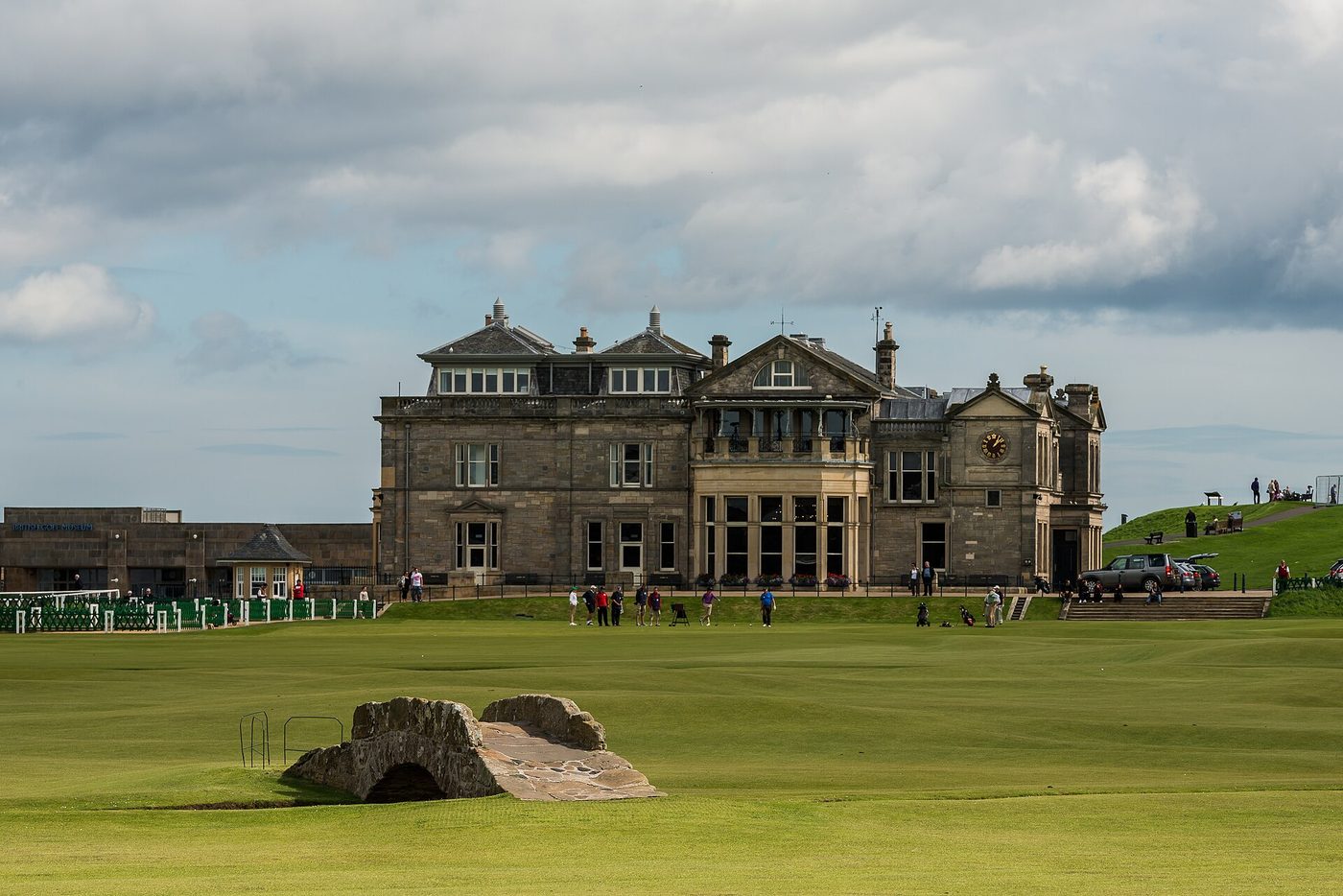
Scotland is the home of golf. The Old Course at St Andrews is still a public course, and visitors get on through a daily ballot, the singles draw or advance bookings, with the 155th Open coming to St Andrews from July 11 to 18, 2027. Around it sit Kingsbarns, Carnoustie and the East Lothian links near Edinburgh, and further north Royal Dornoch, which many golfers rank as the best in the country. High-season 2026 fees ran from about £155 ($210) on the St Andrews New Course to about £486 ($655) at Kingsbarns, with the Old Course at £355 ($480) and Turnberry’s Ailsa at £1,000 for non-residents.
Ireland has bigger dunes, more spread-out courses and, many golfers say, a warmer welcome. Ballybunion, Lahinch, Royal County Down and Royal Portrush lead the list. Fees have risen fast: about €450 ($520) at the famous links in 2026 and €500 to €550 in 2027, when the Ryder Cup comes to Adare Manor in September. Royal County Down’s 2027 visitor times sold out in hours.
Which one? Scotland for history and a single base at St Andrews; Ireland for a road trip, the pubs and the people. Our guides to a golf trip to Scotland and a golf trip to Ireland cover costs, routes and how to get the tee times.
Europe: Portugal, Spain, England and beyond
Continental Europe is resort golf rather than links golf, and it’s better for it in some ways: more sunshine, lower green fees and better food. For an American group, Portugal’s Algarve is the easiest first trip, with about 30 courses close together and a summer nonstop from Newark to Faro. Spain’s Costa del Sol has more variety and one famous splurge in Valderrama, at €600 ($700) plus a mandatory forecaddie. England has four Open venues and the heathland around London, and Wales has the best-value links in Britain. France, Turkey’s Belek and Italy make good add-ons.
The best seasons are the opposite of Scotland’s: spring and fall in Portugal and Spain, when it’s mild and green, and the summer months in England, Wales and France. Our Europe golf trips guide compares all of them, with US flights, costs in dollars and week-long itineraries.
Mexico and the Caribbean: winter golf close to home
For a winter trip without a long flight, Mexico and the Caribbean are hard to beat. Los Cabos, at the tip of the Baja peninsula, has desert-meets-ocean golf about 2½ to 3 hours from Los Angeles or Dallas. The Riviera Maya, south of Cancún, has El Camaleón at Mayakoba, a PGA Tour venue where resort guests paid $375 for a prime-time round in 2026, about four hours from New York.
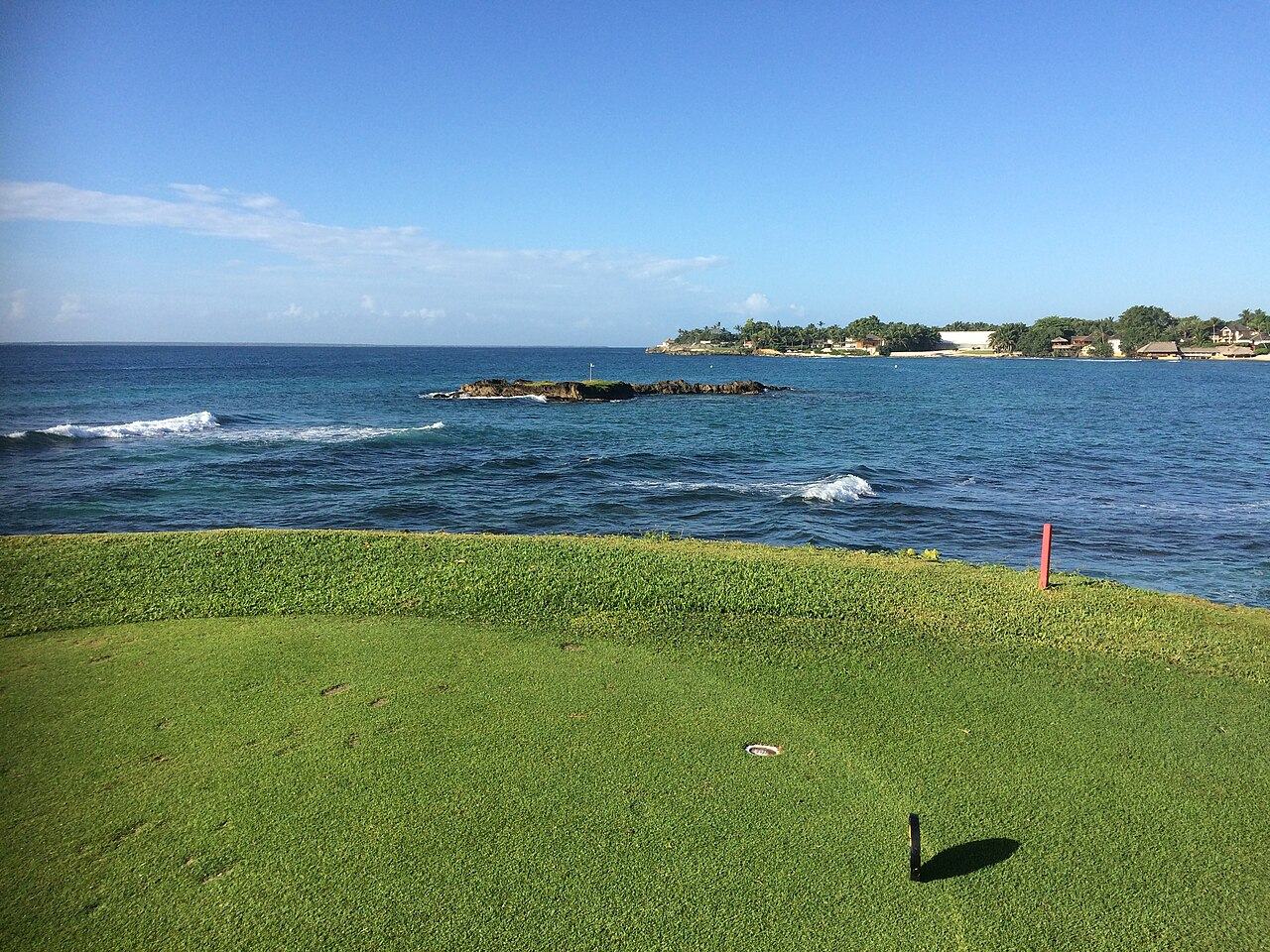
In the Caribbean, Teeth of the Dog at Casa de Campo in La Romana, Dominican Republic, is widely ranked the region’s best course. Pete Dye’s 1971 design has seven holes along the sea, and it’s for resort guests only, at $400 for hotel guests in 2026 plus 18% tax, with caddies required. Punta Cana’s all-inclusive resorts add golf packages, some with unlimited rounds.
The season runs from about November to April, which makes these the natural trips for winter. Our Mexico and Caribbean golf vacations guide covers Los Cabos, the Riviera Maya, the Dominican Republic, Puerto Rico, Jamaica and more.
Canada: Cabot and the short-haul bucket list
Canada is the easiest international trip of all for Americans: no visa or eTA, flights of an hour or two from the Northeast to Halifax, and a Canadian dollar worth about 73 US cents. Cabot Cape Breton in Nova Scotia, home of Cabot Links and Cabot Cliffs, is the headline. Its 2026 resort-guest rates ran from CA$220 (about $160) early and late in the season to CA$450 (about $330) in peak season. Banff and Jasper in the Rockies, British Columbia, and Ontario’s Muskoka lakes fill out a summer season that runs from May to October.
Our Canada golf trips guide covers every region, with Cabot’s full 2026 rate card in US dollars.
Australia: the Melbourne Sandbelt and Tasmania
Australia has some of the best golf in the world, and the first thing an American needs to know is that much of the best of it is private.
The Melbourne Sandbelt is a cluster of courses on sandy heathland in Melbourne’s southeastern suburbs, including Royal Melbourne, Kingston Heath, Victoria and Metropolitan, many of them shaped by Alister MacKenzie’s visit in 1926. Royal Melbourne has hosted the Presidents Cup three times, most recently in 2019. These are private clubs. Visit Melbourne, the state tourism board, says access comes through reciprocal arrangements with your home club, a letter of introduction or an operator with club relationships, and that you’ll need proof of handicap and advance notice. If your club has no connection and you don’t use an operator, assume you won’t play the famous ones.
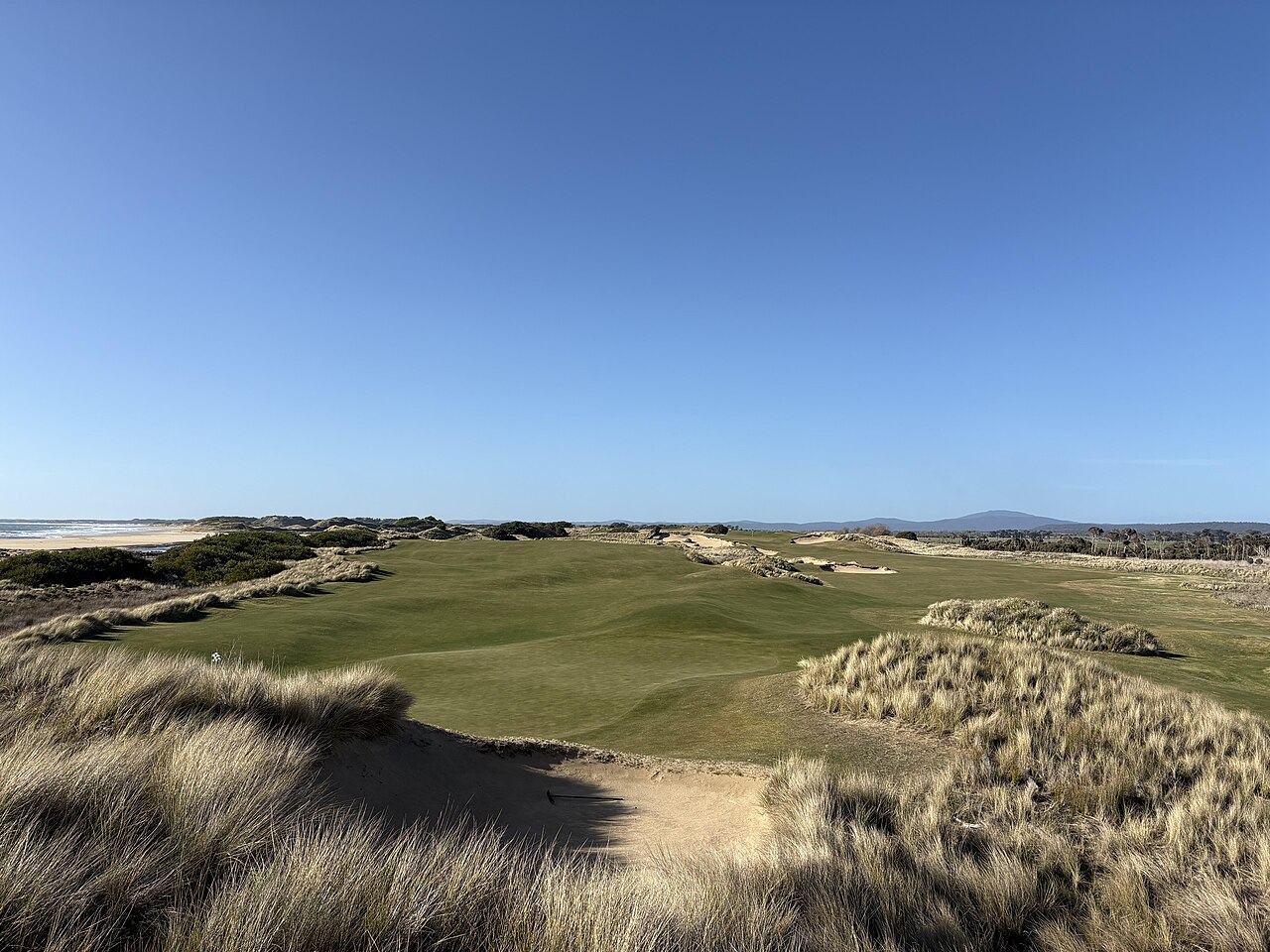
Tasmania is where the public golf is. Barnbougle, on the island’s northeast coast, has two of the best public courses in the world in big coastal dunes: Barnbougle Dunes, by Tom Doak and Mike Clayton, and Lost Farm, by Bill Coore and Ben Crenshaw, which Golf Australia magazine ranks as the country’s second-best public course and Golf Digest has ranked 23rd in the world. Barnbougle’s own fee page lists international visitor rates of A$260 (about $173) for 18 holes in the low season, May 1 to September 30, and A$285 (about $190) in the high season, October 1 to April 30. An all-day pass on both courses costs A$381 to A$406, the Bougle Run short course A$120 to A$125, and a caddie A$100. Barnbougle says prices will rise for 2027 and 2028.
Off Tasmania’s northwest coast, King Island has two more spectacular public courses, Cape Wickham and Ocean Dunes, reached by small plane from Melbourne.
Getting there. Nonstop flights from Los Angeles to Melbourne take about 16 hours, and Launceston, the nearest airport to Barnbougle, is about an hour’s flight from Melbourne. The southern-hemisphere seasons are reversed, so the best time to go is roughly October to April, which conveniently lines up with the American winter.
Our guides to a golf trip to Australia, Melbourne Sandbelt golf and Barnbougle Dunes cover the courses, the access routes and how to string them together.
New Zealand: Cape Kidnappers, Kauri Cliffs and Tara Iti
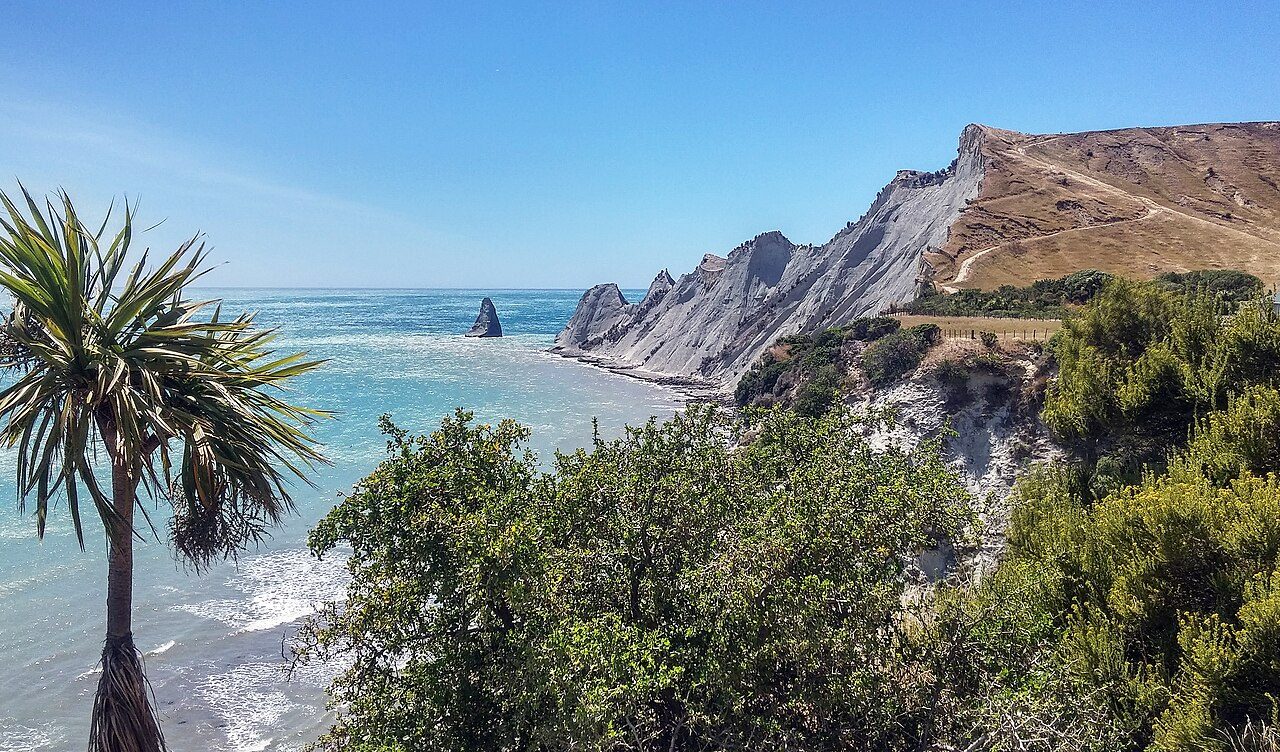
New Zealand’s golf is fewer courses, more drama. Its two most famous public courses belong to luxury lodges at opposite ends of the North Island.
Cape Kidnappers, on Hawke’s Bay, is a Tom Doak course laid out along narrow fingers of land high above the ocean, with drops of hundreds of feet on either side of some holes. International green fees are seasonal; a 2026 update from an independent guide put them at roughly NZ$739 (about $425) in the high season, from January to March, NZ$517 (about $297) in the shoulder months and NZ$370 (about $213) in the low season. You need to book in advance and have a handicap, and guests of the lodge get the easiest access to times.
Kauri Cliffs, in Northland, has a sister lodge and ocean views from most holes, and a trip that pairs the two is the classic New Zealand golf itinerary.
Tara Iti, north of Auckland, is often ranked among the best courses in the world, and it’s private and members only, with no green-fee play. Next door, Te Arai Links has two courses, North by Tom Doak and South by Bill Coore and Ben Crenshaw, and it alternates private and resort days; the New Zealand Herald reported a peak rate of about NZ$975 (about $560) for the North course.
In the South Island, Queenstown’s courses, including Jack’s Point and Millbrook, have alpine scenery, and Paraparaumu Beach, near Wellington, is New Zealand’s best-known links.
Getting there. Flights from Los Angeles and San Francisco to Auckland take about 13 hours. The best season is the southern summer, from about November to April.
Our golf in New Zealand and Cape Kidnappers golf guides cover the courses, the lodges and the routes.
Japan: a different golf culture
Golf in Japan is less a trip to new courses than a trip into a different way of playing the game. The country has thousands of courses, and a set of customs that surprise first-time visitors.
The essentials, from the Japan National Tourism Organization’s golf guide and other visitor guides:
- Lunch is part of the round. Most courses build in a break of about an hour between the front and back nines, usually in the clubhouse restaurant.
- The clubhouse bath. Most clubhouses have Japanese baths, or onsen, for after the round.
- Dress the part. Collared shirts are required, and some high-end clubs expect a jacket in the clubhouse.
- Different rules. Yellow flags mark safety issues on the course, and many courses have a forward tee for out-of-bounds shots instead of a stroke-and-distance return.
- No solo play. You’ll need at least one playing partner, so solo travelers should book through a service that pairs golfers.
- No handicap card needed. Unlike many clubs in Britain and Europe, Japanese courses generally don’t ask for one.
- Caddies. Confirm whether an English-speaking caddie is available when you book.
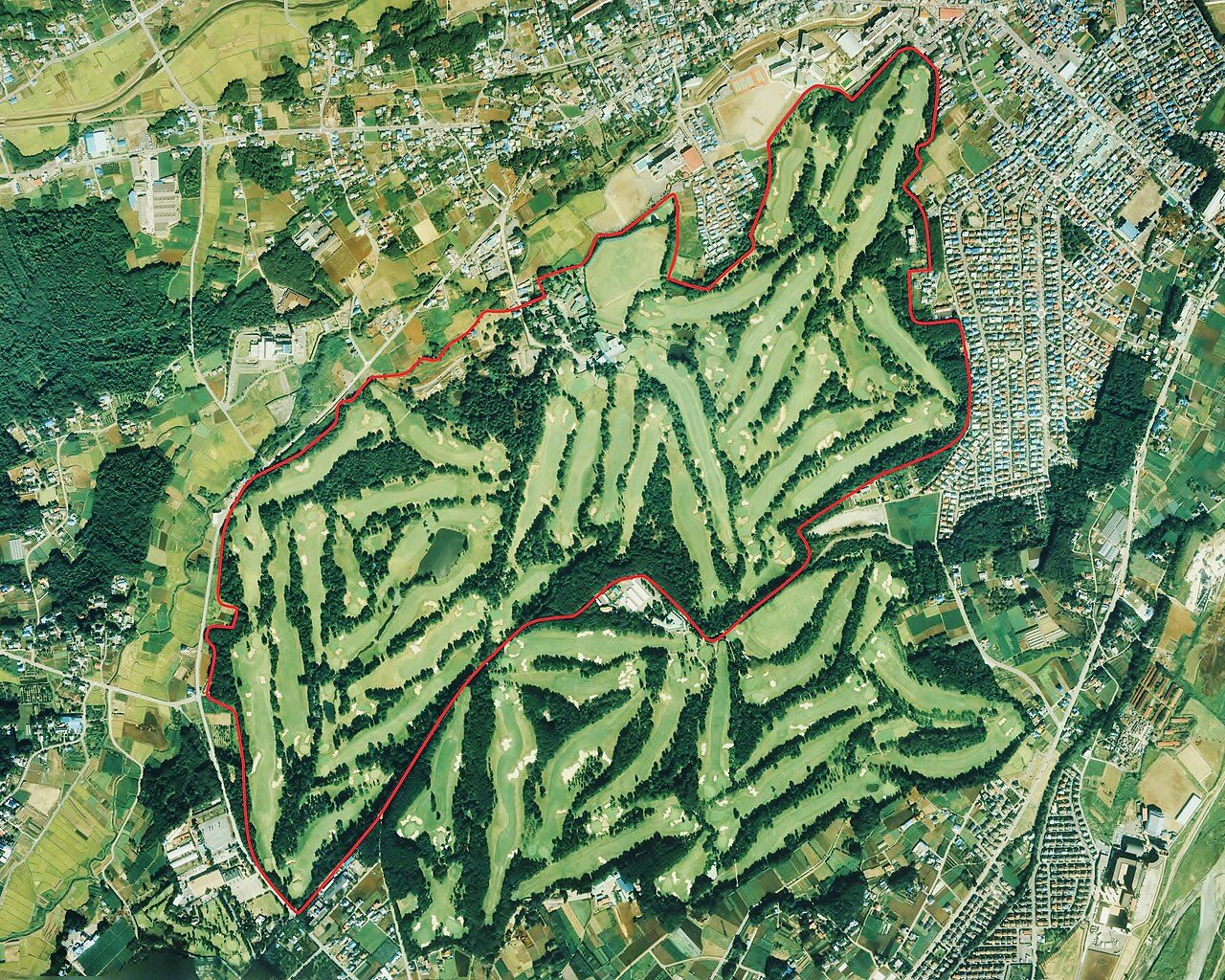
Kasumigaseki Country Club, outside Tokyo, hosted the golf at the Tokyo 2020 Olympics, and Japan’s most famous private clubs, such as Hirono near Kobe, are very hard for visitors to play. Green fees vary widely by course, day of the week and whether lunch and a caddie are included, so compare packages carefully.
Getting there. Tokyo is about 11 to 12 hours from the West Coast and about 14 from New York. The best seasons are spring (April and May) and fall (October and November). June is the rainy season, and July and August are hot and humid.
Our golf in Japan guide covers booking, etiquette and the best courses visitors can play.
Thailand and Vietnam: caddies, value and beaches
Southeast Asia is where your golf dollar goes furthest, once you’ve paid for the flight. Green fees are a fraction of American resort prices, every round comes with a caddie, and the beaches and food are a big part of the appeal.
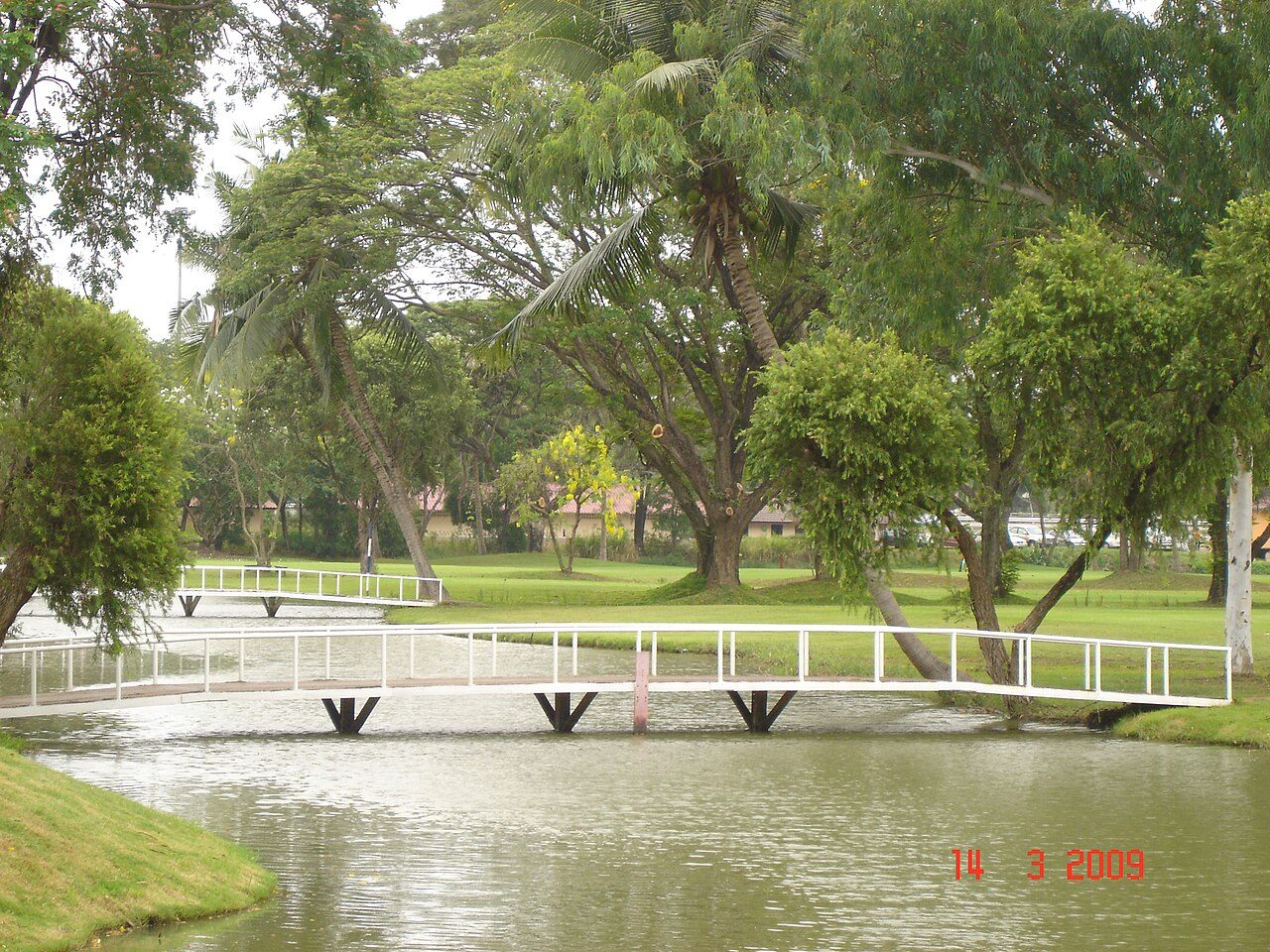
Thailand has the most developed golf scene in the region. In Phuket, green fees at the top courses run from about ฿4,800 (about $150) at Red Mountain, which was built in an old tin mine, to about ฿5,500 (about $175) on the Canyon Course at Blue Canyon, which hosted the Johnnie Walker Classic, according to a 2026 Phuket golf guide. Those prices typically include a caddie and cart. Budget courses start around ฿1,200 (about $38). Caddies are mandatory at most courses, with fees of about ฿350 to ฿450 (about $11 to $14), and players tip in cash on top. Hua Hin, Pattaya and Chiang Mai are the other big golf regions. The best season is November to February, the cool, dry months; March to May is very hot, and the monsoon arrives after that.
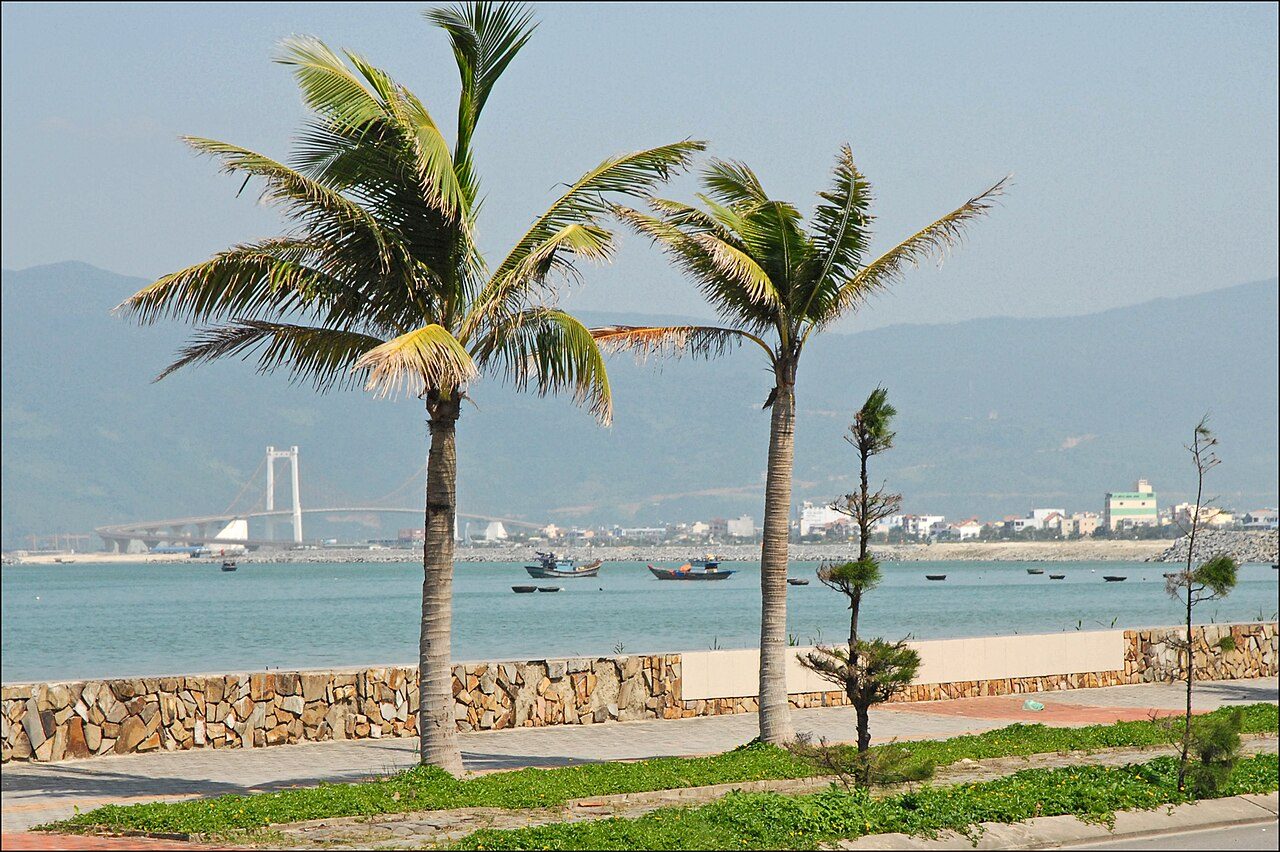
Vietnam is the region’s rising star. Green fees run from about $40 to $180, according to Vietnamese golf operators, with the most expensive rounds at the new resorts around Da Nang and Hoi An. Caddie tips are about 200,000 to 400,000 Vietnamese dong ($8 to $16). Vietnam’s weather varies a lot from north to south, and March and April are the only months that are reliably good across the whole country. Americans need an e-visa, which golf operators list at about $25 for a single entry; apply through the official government portal.
Getting there. Vietnam Airlines flies nonstop from San Francisco to Ho Chi Minh City in about 16 hours. Thailand needs a connection, usually in Tokyo, Seoul, Taipei or Hong Kong, for a total of 20 hours or more.
Our golf in Thailand and golf in Vietnam guides cover the courses, costs, caddies and seasons.
South Africa: golf and safari
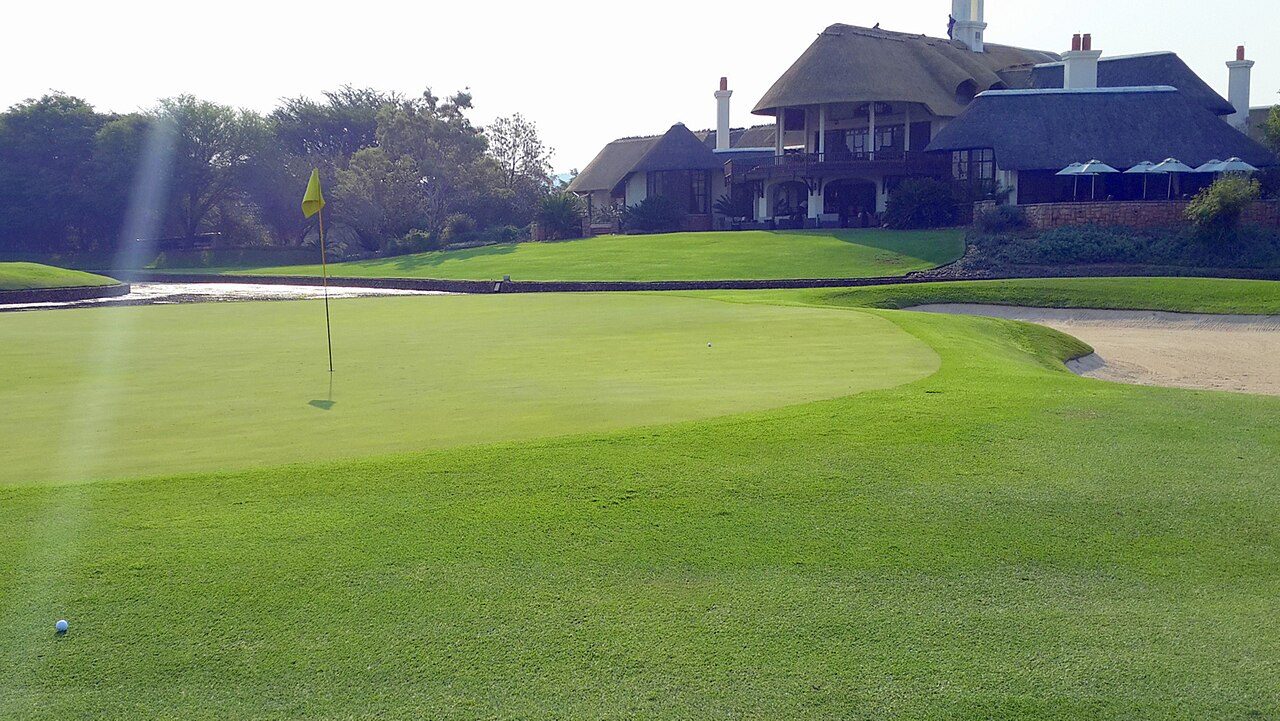
South Africa is the only destination on this list where you can play a championship course in the morning and watch elephants in the afternoon. Leopard Creek, which borders Kruger National Park, has holes looking over the Crocodile River and its wildlife, and it hosts the Alfred Dunhill Championship on the DP World Tour. Fancourt, in George on the Garden Route, has three courses, including The Links by Gary Player, which hosted the 2003 Presidents Cup. Around Cape Town, the Winelands courses and the coastal courses of the Garden Route make a natural road trip.
Getting there. Nonstop flights from New York and Atlanta to Johannesburg take about 15 to 16 hours, and there are nonstops to Cape Town too. The seasons are reversed: November to March is summer in the Cape, and the dry winter months from May to September are the best time for game viewing around Kruger. Combining both in one trip is the classic South African golf safari.
Our South Africa golf safari guide covers the courses, the safari lodges and how to route a two-week trip.
Dubai and the Gulf
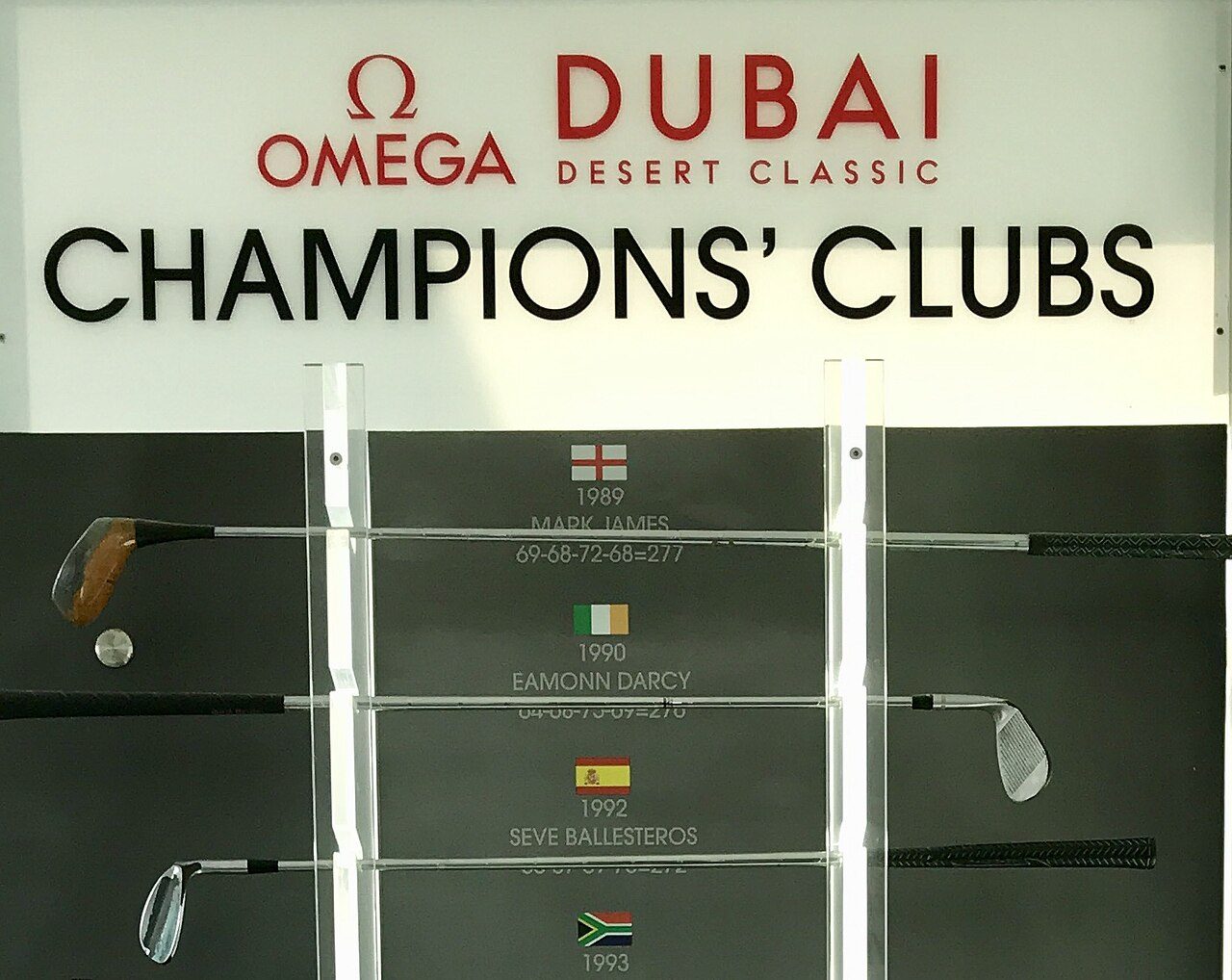
Dubai is desert golf with a long flight attached. Emirates Golf Club, whose Majlis course opened in 1988, hosts the Dubai Desert Classic, and its Faldo course is floodlit, so you can play at night when the heat breaks. Jumeirah Golf Estates, about 25 minutes from Dubai’s airport, has Greg Norman’s Earth and Fire courses, and the Earth course hosts the DP World Tour Championship, the European tour’s season finale, in November. Next door in Abu Dhabi, Yas Links and Saadiyat Beach add links-style and beachfront golf.
Getting there. Nonstop flights from several US cities take about 12 to 13 hours. The season runs from about November to March. Summer temperatures pass 100°F, and most visitors stay away.
Dubai works best as a stopover or an add-on, in our view: a few rounds on the way to Asia or Africa, rather than a golf trip on its own. Our golf in Dubai guide covers the courses, night golf and the best time to go.
Beyond the list: Morocco, Egypt and Argentina
A few more places reward golfers who’ve done the classics:
- Morocco. About 40 courses, led by Royal Dar Es Salam in Rabat, a 45-hole Robert Trent Jones Sr. complex from 1971 that hosts the King Hassan II Trophy and has an island-green 9th, and the Royal Golf Marrakech, from 1927, which Churchill and Eisenhower both played. Royal Air Maroc flies nonstop from New York to Casablanca.
- Egypt. More than 30 courses, many along the Red Sea, with winter sun and a short hop to the pyramids.
- Argentina. Buenos Aires has the Jockey Club, an Alister MacKenzie design, and Patagonia has Llao Llao in Bariloche, one of the most scenic resort courses in South America.
How much does an international golf trip cost?
Most international golf trips cost $3,500 to $7,500 or more per golfer before flights, by JEL Golf Travel’s 2026 figures, and an Ireland week typically runs $5,000 to $9,000 with flights. The cheapest are Portugal, Mexico and Canada; the most expensive are long-haul trips to Australia and New Zealand.
The cost of an overseas golf trip comes down to three things: the flight, the green fees at the famous courses, and whether those courses force you to stay somewhere expensive. Here’s where the money goes in each region, and where to save it:
| Destination | Where the money goes | Where to save |
|---|---|---|
| Scotland and Ireland | Green fees of £355–£486 ($480–$655) in Scotland and €450–€550 ($520–$640) in Ireland at the famous links, plus caddies and drivers | Shoulder months, and value links between the famous ones |
| Portugal and Spain | Spring and fall lodging, and Valderrama’s €600 | Summer or winter rates, apartments, twilight golf |
| Mexico and the Caribbean | Resort lodging, since the best courses favor or require guests; Teeth of the Dog at $400 plus 18% tax | Packages and all-inclusive deals in the shoulder season |
| Canada | Lodging at Cabot and the rental car | Cabot’s late-season rate of CA$220 (about $160) midweek |
| Australia and New Zealand | Long-haul flights, and lodge stays at the top New Zealand courses | Barnbougle’s low-season rate of A$260 (about $173) from May to September |
| Thailand and Vietnam | The flights | Almost everything on the ground, including green fees and caddies |
| South Africa | Flights and safari lodges | The golf itself, which is good value |
| Dubai | Peak-season hotels from November to March | Shoulder months at either end of the season |
Three rules of thumb help:
- Count the flight first. For long-haul destinations, the airfare can cost more than a week of green fees. A cheap round in Vietnam is less cheap once you add the ticket.
- Check whether the course forces a stay. Teeth of the Dog is for resort guests only, Cabot’s best times go to guests, and New Zealand’s top courses favor lodge guests. The room is part of the green fee.
- Travel in the shoulder season. Cabot’s late-season rate is half its peak rate, Barnbougle is cheaper in the southern winter, and Portugal is cheaper in summer.
Our golf trip cost guide breaks down any trip line by line, including flights, caddies and the costs people forget.
When is the best time for an international golf trip?
It depends on the hemisphere. Go to Scotland, Ireland, England and Canada from May to September; Portugal and Spain in spring or fall; Mexico, the Caribbean, Dubai and Thailand from November to April; and Australia, New Zealand and South Africa’s Cape during their summer, roughly October to March.
That means there’s a great international golf trip for every month of the year. A planner:
- January and February: Mexico, the Caribbean, Dubai and Thailand, plus the southern summer in Australia, New Zealand and Cape Town. Cape Kidnappers’ high season runs from January to March.
- March and April: Vietnam’s best window nationwide, the end of the Mexico and Caribbean season, spring in Portugal and Spain, and late March to April in Japan.
- May and June: Portugal and Spain in May, Japan in May, and the start of the season in Scotland, Ireland, England and Canada. The dry season begins around Kruger in South Africa.
- July and August: Scotland, Ireland, England, Wales and Canada at their warmest and busiest, and safari season in South Africa’s game reserves.
- September and October: Ireland and Scotland in September, Cabot’s late-season rates from late September, fall in Portugal and Spain, Japan from October, and the start of the season in Australia.
- November and December: Mexico, the Caribbean, Dubai (with the DP World Tour Championship in November) and Thailand, plus the southern spring and summer in Australia, New Zealand and South Africa.
Do Americans need a visa to golf abroad?
For most golf destinations, a passport is enough. The UK requires an Electronic Travel Authorisation (£20), Australia an ETA, New Zealand an NZeTA, and Vietnam an e-visa. The EU’s ETIAS isn’t live yet, and Canada, Mexico, Japan, South Africa and the UAE don’t need advance authorization for short tourist stays.
The details, as of fall 2026. Always check the official site or the State Department’s country page before you travel, because these rules change:
- United Kingdom (Scotland, England, Wales and Northern Ireland): a UK ETA, £20 (about $27) on gov.uk, valid for two years or until your passport expires. Use the official site, not lookalike agencies.
- Ireland: a passport only. The UK ETA doesn’t cover the Republic.
- The EU: a passport only for now. ETIAS isn’t live, and the EU says it will announce a start date months ahead. You’ll give fingerprints and a photo at the border the first time you enter under the Entry/Exit System.
- Canada and Mexico: a passport to fly. No visa for US tourists.
- Australia: an Electronic Travel Authority (ETA), applied for through the official app before you fly.
- New Zealand: an NZeTA before you fly, plus a tourism levy charged with it.
- Japan and South Africa: no visa for US tourists on short stays.
- Thailand: no visa for short tourist stays, but you must complete the online Thailand Digital Arrival Card before you land.
- Vietnam: an e-visa, applied for online through the official government portal before you travel.
- United Arab Emirates (Dubai): a free visa on arrival for US citizens.
Some countries in Asia and the Middle East want six months of validity left on your passport, so renew early if yours is close to expiring.
Taking your clubs on an international golf trip
On most long-haul economy fares, at least one checked bag is included, and the big US airlines count a golf bag as a standard checked bag. That makes flying your own clubs the default for a golf-focused trip. The risks rise with every connection, so book through to your final airport on one ticket, use a well-padded bag, and put an AirTag or similar tracker inside.
Renting is the better choice for one or two rounds, for connecting flights on low-cost airlines that charge extra for sports equipment, and at resorts with good rental fleets: El Camaleón at Mayakoba, for example, rents PXG clubs. For a long-haul trip, check that your travel insurance covers golf equipment; typical policies cap it at $1,000 to $1,500, with lower limits per item.
Our flying with golf clubs guide covers the 2026 rules for each US airline, travel bags, shipping and insurance.
Three long-haul golf itineraries
The long-haul destinations reward a plan, because the flights are too long to waste days on backtracking. These three routes make the most of ten days or more.
Australia in ten days. Fly overnight from Los Angeles to Melbourne, about 16 hours, and give yourself a gentle first day. Spend two or three days in Melbourne, playing the Sandbelt if your club or an operator can arrange it, and enjoying the city’s restaurants either way. Then fly about an hour to Launceston in Tasmania and drive about an hour to Barnbougle for three or four nights: Barnbougle Dunes, Lost Farm and the Bougle Run short course, with replays of your favorite. If you have the budget, add a day trip by small plane from Melbourne to King Island for Cape Wickham or Ocean Dunes. Go between October and April.
New Zealand in ten days. Fly into Auckland, then north to the Bay of Islands for two or three nights at Kauri Cliffs. Drive back south to Te Arai Links, about an hour north of Auckland, on one of its resort days. Then fly to Napier in Hawke’s Bay for two or three nights at Cape Kidnappers, with an afternoon among the region’s wineries. Finish in Queenstown in the South Island if you have the time and the legs. Go between November and April.
South Africa in twelve days. Fly to Johannesburg and connect to Kruger Mpumalanga International Airport, about an hour from Leopard Creek. Play Leopard Creek and spend three nights at a safari lodge in or near Kruger. Fly to George for two or three nights at Fancourt, then drive west along the Garden Route, stopping at the clifftop courses near Mossel Bay, to Cape Town and the Winelands for the last three nights. The safari is best in the dry season, from May to September, and the Cape is best from November to March, so pick the half that matters most to you.
How to choose your international golf destination
If the table at the top of this page hasn’t settled it, work through these questions in order:
- How many days do you have? Under a week, stay close: Mexico, the Caribbean, Canada or, from the East Coast, Ireland or Portugal. Ten days or more makes Australia, New Zealand, Japan or South Africa worthwhile.
- Links or resort golf? For links, Scotland and Ireland, then Cabot. For resort golf with sunshine, Portugal, Spain, Mexico and the Caribbean.
- Who’s coming? Non-golfers are happiest in Ireland, Portugal, Mexico, Japan, South Africa and Dubai, where there’s plenty off the course.
- Will everyone walk? Links golf in Britain and Ireland is mostly walking. Resort golf in Mexico, the Caribbean, Spain, Portugal and Asia is mostly riding.
- What’s the budget? Long-haul flights and lodge stays make Australia and New Zealand the most expensive; Portugal, Mexico and Canada give the most golf for the money.
- When can you go? Match the month to the planner above, and the choice usually makes itself.
Every guide to international golf destinations
This page is the hub. Each guide below covers one of the long-haul destinations in depth.
Australia and New Zealand
- Golf trip to Australia: Melbourne, Tasmania, King Island and how to route them
- Melbourne Sandbelt golf: Royal Melbourne, Kingston Heath and how visitors get on
- Barnbougle Dunes: Barnbougle Dunes and Lost Farm in Tasmania
- Golf in New Zealand: Cape Kidnappers, Kauri Cliffs, Te Arai and Queenstown
- Cape Kidnappers golf: fees, access and the lodge
Asia
- Golf in Japan: etiquette, booking and the courses visitors can play
- Golf in Thailand: Phuket, Hua Hin, Pattaya and Chiang Mai
- Golf in Vietnam: Da Nang, Hoi An and the rest of the country
Africa and the Middle East
- South Africa golf safari: Leopard Creek, Fancourt, Cape Town and safari
- Golf in Dubai: Emirates Golf Club, Jumeirah Golf Estates and night golf
Frequently asked questions
What is the best international golf destination?
For links golf, Scotland, the home of the game, with Ireland a close second. For an easy winter trip, Los Cabos or Casa de Campo. For a long-haul bucket list, Tasmania’s Barnbougle and New Zealand’s Cape Kidnappers. The best choice depends on how many days you have and whether you want links or resort golf.
What is the best golf trip in the world?
In our view, a week in Scotland built around St Andrews, with Kingsbarns, Carnoustie and the East Lothian links, is still the best golf trip in the world for its combination of history, quality and access. Ireland’s southwest and Tasmania’s Barnbougle are the strongest challengers.
Where can Americans golf abroad without a long flight?
Mexico, the Caribbean and Canada. Los Cabos is about 2½ to 3 hours from Los Angeles or Dallas, the Dominican Republic about four hours from New York, and Halifax, the gateway to Cabot Cape Breton, about 90 minutes from Boston.
How much does an international golf trip cost?
Most cost $3,500 to $7,500 or more per golfer before flights, by JEL Golf Travel’s 2026 figures. An Ireland week typically runs $5,000 to $9,000 with flights. Long-haul trips to Australia and New Zealand cost the most, mostly because of the flights.
What is the cheapest international golf destination?
On the ground, Thailand and Vietnam, where many courses cost under $150 with a caddie. Once you include flights, Portugal, Mexico and Canada usually give Americans the most golf for the money.
Can you play Royal Melbourne as a visitor?
Only with the right introduction. Royal Melbourne and the other Sandbelt clubs are private. Access comes through reciprocal arrangements with your home club, a letter of introduction or an operator with club relationships, and you’ll need proof of handicap and advance notice.
Can you play Tara Iti?
No. Tara Iti in New Zealand is private and members only, with no green-fee play. Next door, Te Arai Links has two courses that alternate private and resort days, with a reported peak rate of about NZ$975 (about $560).
When is the best time to golf in Australia and New Zealand?
During the southern-hemisphere spring and summer, roughly October to April. Barnbougle’s high season runs from October 1 to April 30, and Cape Kidnappers’ high season from January to March.
Do you need a handicap to play golf in Japan?
Generally, no. Japanese courses don’t usually ask for a handicap card and don’t set handicap limits, but they don’t allow solo play, and most build an hour-long lunch break into the round.
Is Dubai good for a golf trip?
From November to March, yes, especially as a stopover. Emirates Golf Club hosts the Dubai Desert Classic and has a floodlit course for night golf, and Jumeirah Golf Estates hosts the DP World Tour Championship. Summer temperatures pass 100°F.
Should I bring my clubs on a long-haul golf trip?
For a golf-focused trip, usually yes. Most long-haul economy fares include a checked bag, and US airlines treat a golf bag as one. Book through to your final airport, check your insurance covers equipment, and rent if you’re playing only a round or two.
Sources
Primary sources and official pages, checked September and October 2026.
- Barnbougle, fees and services: barnbougle.com.au
- Japan National Tourism Organization, golf guide: japan.travel
- Visit Melbourne, Sandbelt courses: visitmelbourne.com
- Visit Dubai, Jumeirah Golf Estates: visitdubai.com
- UK Government, Electronic Travel Authorisation: gov.uk
- Also consulted: Golf For Kings on Cape Kidnappers’ 2026 fees; the New Zealand Herald on Te Arai Links; Best Golf Vietnam and Golf Savers on Vietnam; a 2026 Phuket golf guide on Thai green fees and caddies; Visit Morocco and GolfPass on Morocco; JEL Golf Travel’s 2026 trip-cost tiers; MoneyGeek on travel insurance; exchange rates from x-rates.com for January 1, 2026.
Image credits
| Image | Credit and license |
|---|---|
| Barnbougle1018 (featured) | Photo by Johnorchard, CC BY-SA 4.0, via Wikimedia Commons. |
| Old Course, St Andrews: first tee and R&A clubhouse | Photo by Optograph, CC BY-SA 3.0, via Wikimedia Commons. |
| Teeth of the Dog, Casa de Campo | Photo by Baybay1901, CC BY-SA 4.0, via Wikimedia Commons. |
| Bubba Watson (6346176707) | Photo by Hone Morihana, CC BY 2.0, via Wikimedia Commons. |
| Cape Kidnappers, New Zealand | Photo by Nicolas Aub, CC BY 2.0, via Wikimedia Commons. |
| Kasumigaseki Country Club Aerial photograph.1989 | Photo by 国土交通省, Attribution, via Wikimedia Commons. |
| AIT Golf Course – panoramio | Photo by Seksan Phonsuwan, CC BY 3.0, via Wikimedia Commons. |
| Le bord de mer (Da Nang) (4393653609) | Photo by Jean-Pierre Dalbéra from Paris, France, CC BY 2.0, via Wikimedia Commons. |
| Leopard Creek 9th at Club House – panoramio | Photo by Hendrik van den Berg, CC BY 3.0, via Wikimedia Commons. |
| DDC Honours Board | Photo by Allrightnow1970, CC BY-SA 4.0, via Wikimedia Commons. |