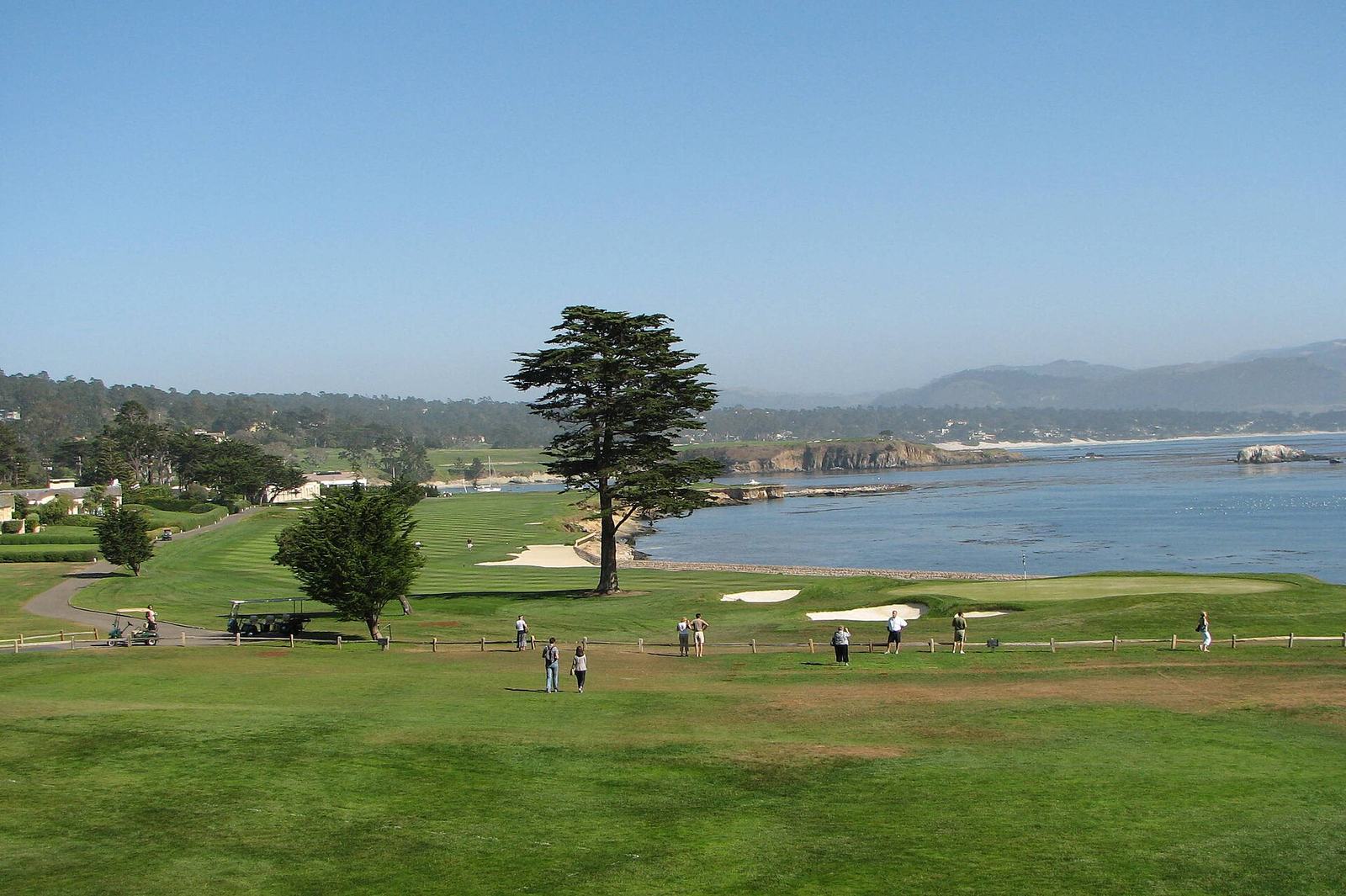
How to plan a golf trip, in short: choose the season first, then the destination, then lock in the single hardest tee time before you book anything else. Agree a per-person budget up front, decide how the clubs travel, and start four to six months out for a US trip, or 12 to 18 months out for Scotland and Ireland.
Most golf trips that go wrong don’t go wrong on the course. They go wrong in a group chat in February, when somebody books flights before anyone has checked that the course everyone wanted only sells tee times to hotel guests. Or when the “cheap” trip turns out to cost $400 more per person once the bag fees, caddie tips and a minivan big enough for four travel bags have been added up.
Golf trip planning is mostly a sequencing problem. The decisions are not hard individually. They just depend on each other in a particular order, and getting the order wrong is what costs money. This guide walks through that order, from the first “we should do a trip” text to the first tee, and it’s the hub for every planning guide on this site, so each step points to a deeper page when you need one.
Every price and policy below was checked in September 2026 and carries its source. Where a number moves a lot (airline bag fees change almost every year), we say so, and we tell you where to confirm it before you pay.
At a glance
- When to start: 4–6 months ahead for a US trip; 12–18 months ahead for the Old Course at St Andrews or peak-season Ireland.
- What it costs: our worked example of a 3-night Myrtle Beach package trip with flights comes to roughly $1,100–$1,700 per golfer. Two nights and two rounds at Pebble Beach runs past $2,000 per golfer before anyone boards a plane.
- Getting clubs there: most big US airlines now charge $45 for a first checked bag and $55 for a second, and a golf bag counts as one. Door-to-door shipping starts around $49 each way and typically runs $60–$230.
- How much golf: 18 holes a day is the sensible default, with one or two 36-hole days if the group is fit and the course allows replays.
- Caddie tips: $40–$60 per bag at most courses, $100 or more at the marquee resorts; forecaddies $20–$40 per player.
The 10 golf trip planning decisions, in order
Work down this table. Each decision leans on the ones above it and almost never on the ones below.
| # | Decision | When to make it | Why it sits here |
|---|---|---|---|
| 1 | Who’s going and what kind of trip | 6+ months out | Group size and ambition shape everything: four golfers fill one tee time and one minivan, twelve need three tee times in a row |
| 2 | Season and dates | 5–6 months out (12–18 for Scotland/Ireland) | The same course can cost twice as much in March as in July |
| 3 | Destination | Right after the dates | Your dates have already ruled out half the map |
| 4 | Budget per person | Alongside the destination | Agree a number before anyone falls in love with a resort |
| 5 | The hardest tee time | As soon as 2–4 are settled | Some courses only take bookings attached to a room, which then dictates the rest |
| 6 | Lodging | The same day as step 5 | Stay-and-play packages bundle 5 and 6 together |
| 7 | Flights | 2–4 months out | Book them after the golf is locked, never before |
| 8 | How the clubs travel | When you book flights | Bag fees depend on your fare, your status and your credit card |
| 9 | Ground transport | 4–8 weeks out | Four golf travel bags do not fit in a midsize SUV |
| 10 | Games, money and the daily plan | The final 2–4 weeks | The fun part. Leave it for last |
One honest caveat. If the whole trip exists because of one course (a first round at Pebble Beach, say, or the Old Course), steps 2, 3 and 5 collapse into a single decision: that course’s booking rules choose your dates for you. Start there and fit everything else around it.
When should you start planning a golf trip?
Start four to six months ahead for a US trip and 12 to 18 months ahead for Scotland, Ireland or any course run by ballot. The real deadline is tee times at in-demand courses and resort rooms that carry golf access, not flights. A weekend of public-course golf can come together in three weeks.
That said, the urgency around golf booking is partly manufactured. Most public and resort courses in the US release tee times somewhere between a week and a few months out, and plenty of good golf is available at short notice outside peak weeks. The things that genuinely sell out early are narrower than the booking sites suggest:
- Resort-only courses. Pebble Beach, Pinehurst No. 2 and Sea Island tie their best tee times to a room. Rooms sell first, so the tee times do too.
- Ballots and advance lotteries. The Old Course at St Andrews allocates a large share of visitor times by ballot. The advance ballot for a given year closes the year before.
- Peak weeks in peak places. February in Scottsdale, spring “package season” in Myrtle Beach and anything within a few hours of Augusta in Masters week.
- Big groups. Eight or more golfers need consecutive tee times, and consecutive times at a good course on a Saturday morning are the scarcest thing in golf travel.
Everything else (rental clubs, dinner reservations, the games you’ll play) can wait. We break the booking calendar down trip by trip in our guide to how far in advance to book a golf trip, and the week-by-week version lives in the 16-week golf trip checklist.
Step 1: Decide who’s going and what kind of trip this is
Before anyone looks at a course, settle two things: the headcount and the ambition.
Headcount comes in fours. Tee times are sold in foursomes, carts seat two and a minivan holds four golfers with their bags. Groups of 4, 8 and 12 are easy. Groups of 6 or 10 work fine but leave you with a threesome, or a twosome paired with strangers. If the group sits at 7, it’s worth finding an eighth.
Ambition is the question nobody asks out loud. Does this group want 36 holes a day, or 18 holes and a long lunch? Is it a golf trip with some drinking, or a drinking trip with some golf? A 5-handicap chasing Top 100 courses and a 25-handicap who wants to enjoy the scenery will want very different weeks. Neither is wrong, but they need to be in the same conversation before the deposit is due, not after.
The common trip types each plan a little differently:
- The buddies trip. Usually 8–16 golfers, a competition and a budget ceiling set by whoever earns the least. Our buddies golf trip playbook covers formats, team games and keeping the peace.
- The couples trip. Fewer rounds, better lodging, and a destination where a non-golfer has plenty to do.
- The solo trip. Harder than it should be, because many courses and nearly all tour operators want at least two golfers per booking. Singles do better at public courses and walk-up links in Scotland and Ireland.
- The pilgrimage. One or two bucket-list rounds with everything else built around them. Budget follows ambition here, and that’s the point.
Appoint a planner, and ideally a treasurer. Committees don’t book tee times. One person books the golf and lodging, a second handles flights, cars and dinners, and one person holds the money. Collect a non-refundable deposit from everyone before you commit to anything non-refundable yourself. It’s the single most effective way to find out who is actually coming.
Step 2: Pick the season before the destination
Dates decide more of the cost than any other choice. The same resort can charge twice as much in peak season, and “value season” often means genuinely unpleasant weather: 105°F in Phoenix in July, or horizontal rain on the Oregon coast in January.
Here is how the main golf destinations fall across the year:
| Destination | Best months | Peak (priciest) | Value window | Watch out for |
|---|---|---|---|---|
| Scottsdale / Phoenix | Oct–Apr | Dec–Feb, with highs in the 60s–70s°F | May–Sep, when fees drop hard | Summer highs over 105°F; overseeding closures mid-Sep to early Nov |
| Florida | Nov–Apr | Jan–Mar | After Easter, when many courses cut fees 10–20%; Sep–Oct | Jun–Aug is the hottest and wettest stretch |
| Myrtle Beach | Mar–May, Sep–Nov | Spring “package season” | Summer and winter | Spring weekends fill with groups |
| Bandon Dunes, Oregon | Jun–Sep | Jun–Sep ($375 resort-guest green fee) | Dec–Jan ($130) | Winter wind and rain |
| Scotland | Apr–Oct; June is the sweet spot | July, especially in Open years | April–May and October | Winter fairway mats and course closures |
| Ireland | May–Sep | Jun–Aug | Late April–May | Peak-season pricing and busy tee sheets |

Two patterns are worth knowing. First, shoulder seasons are where the value is. Late October in Scottsdale, once the overseeded fairways have grown in, gives you most of the winter experience at a fraction of the February price. Myrtle Beach fees drop after Labor Day while the weather stays warm. Second, daylight is a free upgrade. A Scottish June gives you up to about 18 hours of light, which turns a 36-hole day from a sprint into something civilized.
Event years reshape the calendar. 2027 is a heavy one. THE PLAYERS blacks out the TPC Sawgrass Stadium Course from February 15 to March 16, 2027. The Masters (April 5–11, 2027) pushes up prices across Augusta. The U.S. Open returns to Pebble Beach in June 2027, The Open is at St Andrews from July 11–18, and the Ryder Cup goes to Adare Manor in Ireland in September. If one of those courses or regions is on your list, check its tournament closures before you fix dates, or plan the whole trip around the event instead.
If you’re escaping winter, our winter golf destinations guide goes deeper on where the weather actually holds from December to March.
Step 3: Choose a destination that fits the group, not the brochure
With dates settled, the shortlist gets short quickly. The best choice is the one that matches what the group said it wanted in step 1, not the one with the best marketing photos.
| If your group wants… | Look at | Why it works |
|---|---|---|
| The most golf for the least money, drivable from the East Coast | Myrtle Beach | 80-plus courses and 3-night / 4-round packages from about $450–$700 per golfer |
| Winter sun with resort polish | Scottsdale, Florida | More than 200 courses in greater Scottsdale; deep resort supply in Florida |
| Walking-only, links-style golf without a passport | Bandon Dunes, Erin Hills, Whistling Straits, Texas’s new Wild Spring Dunes | Firm, windswept golf and a caddie culture |
| One or two bucket-list rounds | Pebble Beach, Pinehurst No. 2, TPC Sawgrass | Iconic, expensive and governed by access rules |
| A road trip on a budget | Robert Trent Jones Golf Trail, Alabama | 11 sites and 26 courses, with a $49.95 Trail Card for discounts |
| The home of golf | Scotland and Ireland | The original links, walk-up culture and a pint afterwards |
Wild Spring Dunes deserves a note because it’s so new. The Tom Doak course in Mount Enterprise, Texas, opened its full 18 to public play on September 8, 2026, at $275 in peak season. It’s walking only. Fresh openings like this one tend to be easiest to book in their first year, before the reviews land.
Once you have two or three candidates, run them through a short gut-check:
- Is there a nonstop flight from where most of the group lives? A connection with four golf bags is a connection with four more chances to lose one.
- How far apart are the courses? Anything past 45 minutes’ drive between lodging and the first tee eats into the day, and into sleep.
- What will the non-golfers do? If partners are coming, a golf-only outpost like Bandon is a harder sell than Scottsdale or Charleston.
- What happens at night? Some groups want a lively downtown. Others want a fire pit and a deck of cards.
- Is there a rain plan? Florida’s summer afternoon storms and Scotland’s everything-weather both need a backup.

For the ranked US shortlist, with best months, green-fee ranges and airports side by side, start with our guide to the best golf destinations in the US. If the answer is already obvious, go straight to the destination hubs for Myrtle Beach, Scottsdale or Scotland.
Step 4: How much does a golf trip cost?
A domestic golf trip usually costs $700 to $1,500 per golfer at a value destination and $1,800 to $3,500 or more at a premium resort, before flights. Green fees, lodging and airfare are the big three; bag fees, caddies, tips, food and a rental car typically add another $300 to $700 per person.
Those ranges are wide because golf trips are wide. The table below breaks a trip into line items so you can build your own number rather than trusting anyone’s average, ours included.
| Line item | Typical range (September 2026) | What moves it |
|---|---|---|
| Green fees, public and resort courses | $40–$350 per round | Season, time of day, replay discounts |
| Green fees, marquee courses | $495–$775+ per round | Erin Hills $495 peak; Pebble Beach $695; TPC Sawgrass Stadium from $775 |
| Lodging | $100–$350 per person per night, sharing | Rooms vs rented house; resort minimum stays |
| Flights | Depends on route, season and how early you book | Nonstops to golf airports sell out first |
| Golf bag on the airline | $90–$110 round trip | First vs second bag; status and card perks |
| Shipping clubs instead | About $60–$230 each way | Distance and speed |
| Caddie | $65–$155 per bag per round, plus tip | Resort rules; single vs double bag |
| Rental car or van | Split three or four ways | Minivans and large SUVs cost more but are non-negotiable for four bags |
| Food and drink | About $60–$130 per day | The group, mostly |
| Travel insurance | About $74–$178 for a 7-day international trip costing $2,500 | Trip cost, age, cover level |
Caddie fees are published rates at Erin Hills ($65 plus a suggested $75 tip), Whistling Straits ($90 plus a recommended $70) and Bandon Dunes ($100 plus gratuity). Insurance range per MoneyGeek, May 2026. Food range per FairwayPal’s 2026 budget study.
To make that concrete, here are two worked examples for four golfers. Flights and cars are our assumptions and will differ for you. The golf and lodging figures come from published 2026 rates.
| Value: Myrtle Beach, 3 nights / 4 rounds | Splurge: Pebble Beach, 2 nights / 2 rounds | |
|---|---|---|
| Golf and lodging | $450–$700 package per golfer | $695 Pebble + about $495 Spyglass Hill, plus a 2-night minimum at roughly $800+ per room per night (two rooms shared by four = $800+ each) |
| Golf and lodging per golfer | $450–$700 | About $2,000+ |
| Flights (assumed, Chicago round trip) | $250–$450 | $300–$500 |
| Golf bag, round trip | $90–$110 | $90–$110 |
| Car share, food, drinks, tips | $300–$450 | $450–$700 (caddies and tips add up fast) |
| Estimated total per golfer | About $1,100–$1,700 | About $2,850–$3,300+ |
The honest takeaway: one splurge round inside a value trip is usually a better deal than a splurge trip. Four days in Monterey playing Pacific Grove, Bayonet and Poppy Hills, with one round at Pebble, costs far less than two nights on the resort’s minimum stay and still gets the photo on the 18th.
A few golf trip planning tips that reliably cut the bill:
- Play twilight. Afternoon rates are often dramatically cheaper than morning slots, especially in resort markets.
- Use replay rates. Bandon charges 50% for a same-day replay, and Erin Hills offers a same-day replay at $295 against a $495 peak fee.
- Travel a month off peak. Late April in Florida and late October in Arizona are the classic sweet spots.
- Share a house. For eight or more golfers, a rental house beats hotel rooms on both cost and fun.
- Watch the extras. Resort fees, cart fees and range balls add up, and “from” prices rarely include them.
Our full golf trip cost guide has a per-person calculator and breakdowns by destination. For collecting deposits and settling up without spreadsheets, see our pick of the best golf trip apps.
Step 5: Lock in the hardest tee time first
Every trip has one tee time that’s harder to get than the rest. Find it, book it, and build everything else around it. That usually means a resort-only course, a ballot, or a public course with a short booking window.
Here are the access rules at the courses most often at the center of an American golf trip:
| Course | Who can book | How far ahead | The catch |
|---|---|---|---|
| Pebble Beach Golf Links, CA | Resort guests; non-guests at short notice | Guests book with their room; non-guests generally only in the final day or two | 2-night minimum stay (3 nights Thu–Sun, Sep–Nov); $695 green fee through March 2027 |
| Pinehurst No. 2, NC | Resort guests only | With the stay | Typically sold on a two-night-minimum package; Nos. 1, 3 and 5 are open to non-guests |
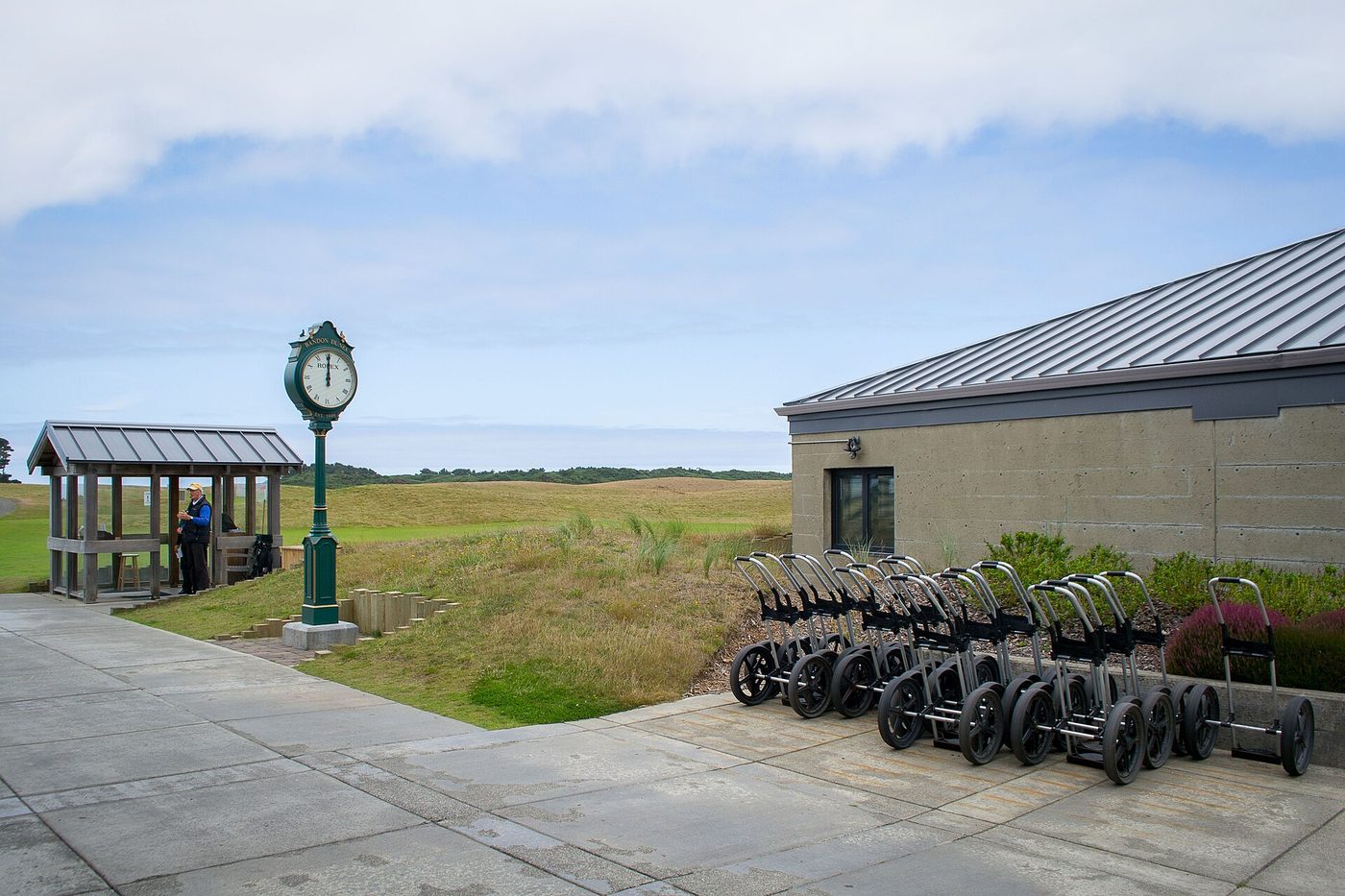
| Bandon Dunes (all five 18s), OR | Resort guests and day guests | Guests with lodging; day guests within 21 days | Premium day-guest times 21+ days ahead (Apr to mid-Nov, 10 a.m. or later) cost up to $475 |
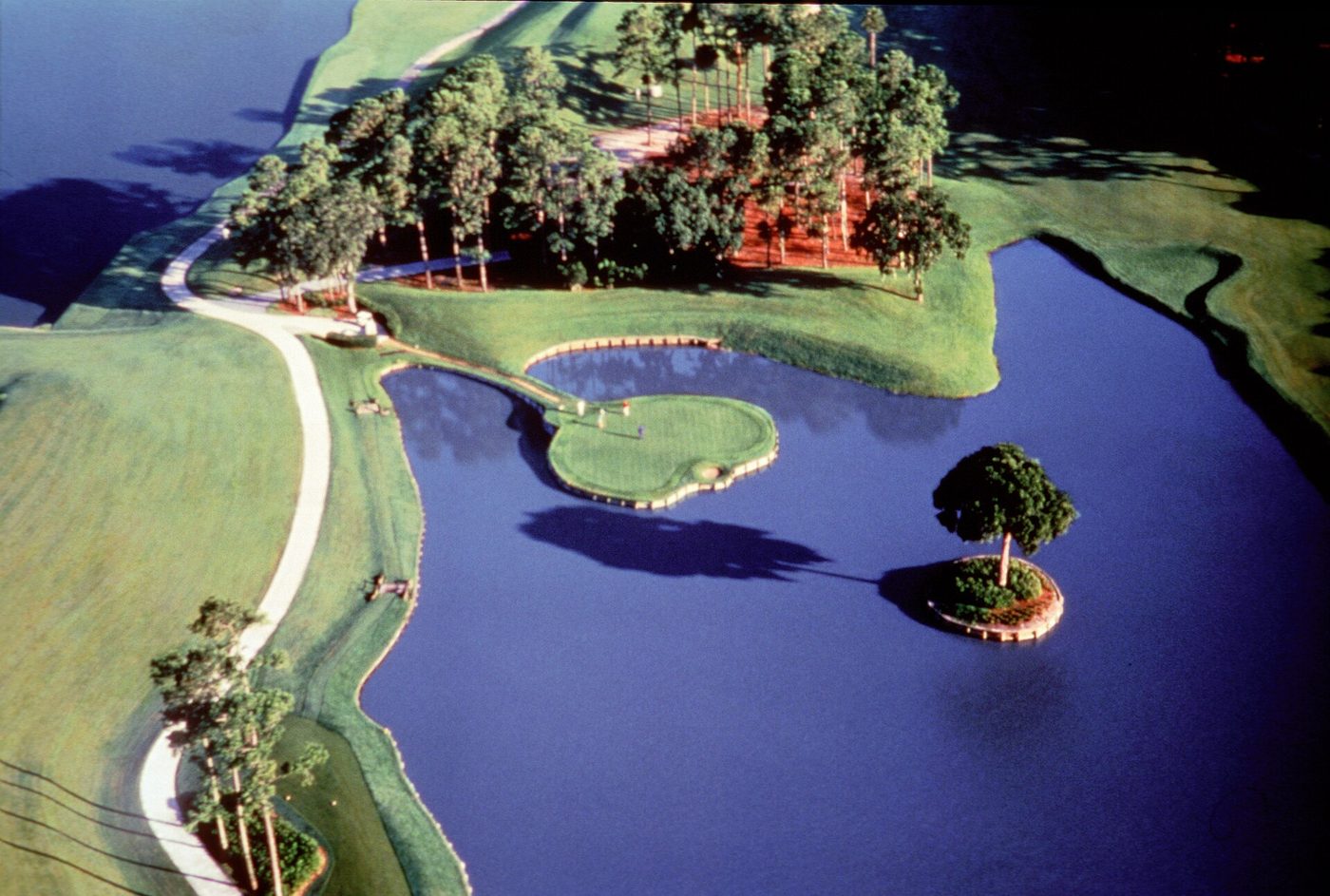
| TPC Sawgrass Stadium, FL | Anyone | Up to 12 months with lodging; 14 days without | From $775 (Sep–May), including cart and a forecaddie for the group |
| Old Course, St Andrews, Scotland | Anyone with a handicap certificate | Advance ballot the year before; daily ballot closes 2 p.m. two days before play | Closed Sundays, so there’s no Friday draw; singles enter a separate daily draw in person |
| Cabot Cape Breton, Canada | Resort guests and non-guests | Non-guests within 14 days | Guests get first pick |
| Robert Trent Jones Golf Trail, AL | Anyone | 11 days online with the Trail Card, 10 via pro shops | Card is $49.95 and runs through December 31, 2026 |
| Sea Island (GA), Teeth of the Dog (Dominican Republic) | Resort guests only | With the stay | No outside play at all |
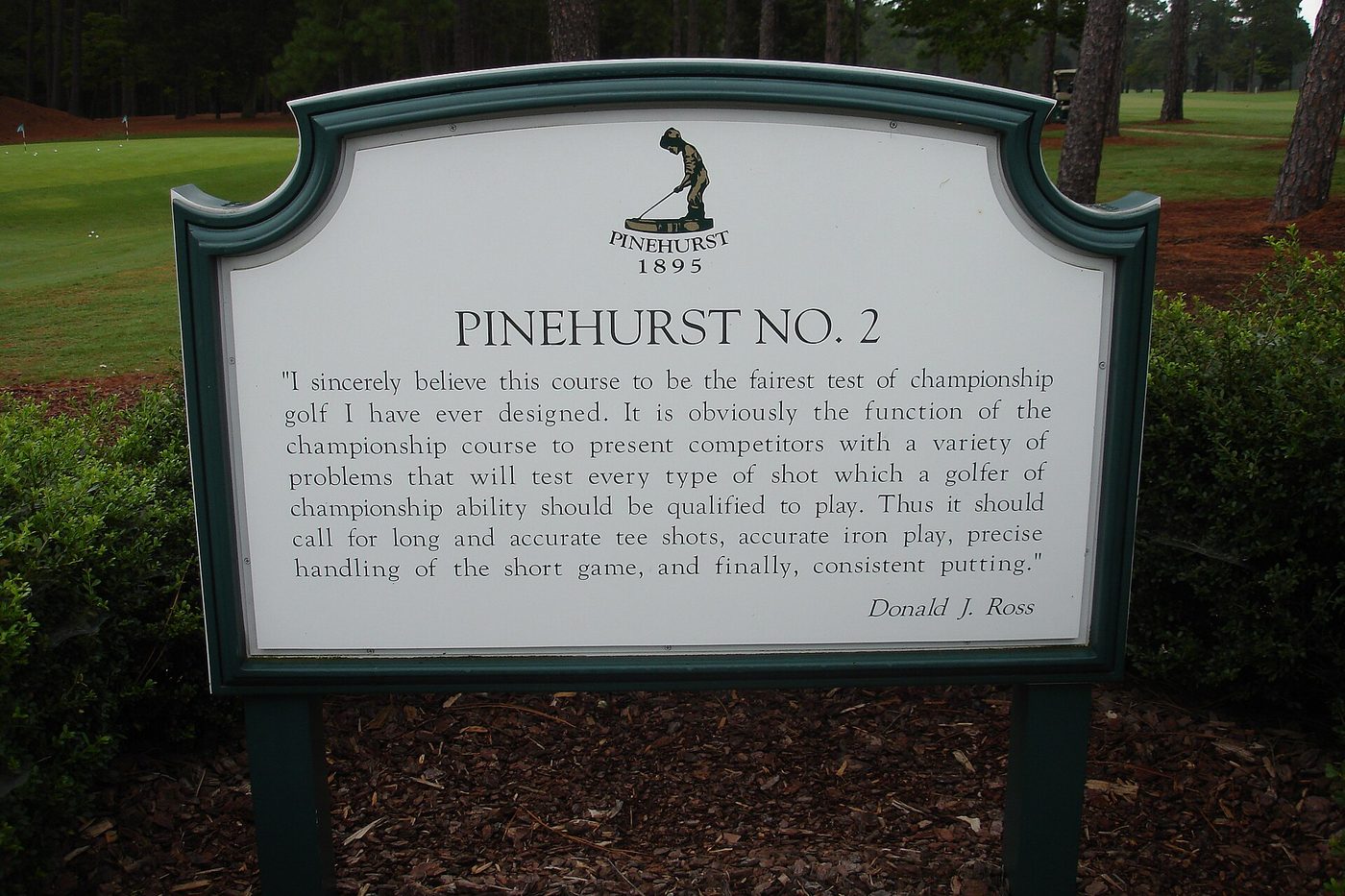
Once the anchor round is booked, the rest of the tee sheet is easier:
- Book the group in consecutive times. For eight or more golfers, ask the pro shop for back-to-back tee times and a shotgun-style arrangement at the turn if you want a team competition.
- Call, don’t just click. Online systems often show only part of the tee sheet. A pro shop can hold group times, confirm cart or caddie rules and flag aeration dates, the week or so when greens are punched and sanded and play gets bumpy.
- Read the cancellation terms. Group bookings commonly require a credit card and several days’ notice to cancel, and some resorts charge the full fee for no-shows.
- Use booking apps for the filler rounds. GolfNow, TeeOff and Supreme Golf are useful for public courses and last-minute times, less so for resorts. We compare them in the best tee time booking sites.
If the anchor round is one of the big three, our dedicated hubs cover the booking tricks in detail: Pebble Beach, Pinehurst and Bandon Dunes.
Is a golf package or tour operator worth it?
For most US trips, no. A stay-and-play package from the resort or a local booking service does the same job for less. A tour operator earns its fee for a first trip to Scotland or Ireland, a group of 12 or more, or any itinerary built around ballot and restricted-access courses.
There are three ways to put a trip together, and each suits a different kind of group:
| Option | Best for | What you gain | What you give up |
|---|---|---|---|
| Do it yourself | Experienced planners; 1–2 destinations; flexible groups | Lowest cost; full control of every tee time and room | Your evenings for a few weeks; all the risk if something breaks |
| Stay-and-play package | Resort trips and golf hubs like Myrtle Beach | Tee times and lodging in one booking, often at a discount | Less flexibility on courses and times |
| Tour operator | First trips abroad; big groups; ballot courses | Guaranteed tee times, drivers, caddies and one number to call | A markup, and minimums (most want at least two golfers per booking) |
The case for operators is strongest abroad. They can often guarantee tee times months ahead at courses where individual visitors can book online only a few weeks out, and they carry the risk if a round falls through. The case against is simple arithmetic at home: a resort’s own package usually beats an operator’s price for the same resort.
A middle path works well for many groups. Book the anchor course and lodging directly, and use a package or booking service for the filler rounds. Just don’t let a package decide your trip for you. If the bundled courses are ones you wouldn’t have picked, it isn’t a bargain.
Step 6: Get your clubs there: fly, ship or rent
You can’t carry golf clubs onto a plane. The TSA allows them in checked baggage only, and says the final decision rests with the officer. After that, you have three choices.
Fly with them. On the big US airlines, a golf bag is simply a checked bag. Here’s where fees stood in September 2026:
| Airline | How golf bags are treated | 1st / 2nd checked bag (economy, domestic) | Watch out for |
|---|---|---|---|
| American | Standard checked bag | $45 online ($50 airport) / $55 ($60) | Oversize fees waived for golf; 51–70 lb triggers overweight fees |
| Delta | Standard checked bag | $45 / $55 | Hard-shell case, or a soft bag after signing a limited-liability release |
| United | One golf bag counts as one checked bag | $45 prepaid ($50) / $55 ($60) | Recommends a hard-sided case |
| Southwest | Checked bag; oversize waived | $45 / $55 | Free bags ended May 28, 2025; A-List and cardholder exceptions remain |
| Alaska | Counts as its own checked bag | $45 / $55 (2026 increase) | Oversize and overweight fees waived for golf equipment |
| JetBlue | One checked bag | $39–$49 / $59–$69 | Add $10 inside 24 hours or at the airport |
Checked against airline policy pages and 2026 fee reporting in September 2026. Fees change often, so confirm on your airline’s site when you book.
The practical rules are the same everywhere: keep the bag under 50 lb, use a padded travel bag with a stiff arm or a hard case, and photograph the clubs before you check them. Airline liability for “fragile” items packed in soft bags is limited, which is exactly why Delta asks you to sign a release.
Ship them. Door-to-door services pick up at home and deliver to the resort. Ship Sticks advertises rates from $49, and Fairway Freight puts typical 2026 US shipments at $60–$230 depending on distance and speed. The math is simple. If your golf bag would be a second checked bag at $55 each way, and especially if it risks an overweight fee of $100 or more, shipping is close in cost and far better for your back. If the golf bag is your only checked bag, or flies free on your status or card, flying usually wins.
Rent them. Premium rental sets have improved a lot, and renting makes sense for one-round detours, trips with tight connections, and international itineraries with several flights. It makes less sense for a week of serious golf, since your own clubs are one of the few things you can control.
Whichever you choose, check the car. Four golfers with four travel bags and four suitcases need a minivan or a large SUV with fold-flat seats. Plenty of midsize SUVs have shorter cargo floors than a sedan’s trunk. Book the van early; they’re the first category rental desks run out of.
For airline-by-airline detail and ship-versus-fly math by route, read our flying with golf clubs guide. For everything else that goes in the bag, use the golf trip packing list, sorted by climate and trip length.
How many rounds of golf per day should you plan?
Plan 18 holes a day as the baseline, adding a 36-hole day or two only if the group is fit, riding carts or used to walking, and the course sells discounted replays. Walking 36 holes covers roughly 10 to 12 miles. Four rounds in three days suits most groups; beyond that, the last round becomes a chore.
It’s tempting to cram golf in, especially when you’ve paid to fly across the country. Resist it a little. The fourth round of a 36-hole-a-day trip is usually the worst golf of the week: tired swings, sore feet and a group that stopped keeping score at the turn. A better pattern for most groups looks like this:
- Arrival day: fly in, check in, hit balls or play a short course or nine holes. Don’t book the marquee round today.
- Day two: 18 holes at your second-best course, to shake off the travel.
- Day three: the anchor round in the morning, with an optional afternoon replay at the discounted rate.
- Day four: 18 holes, then lunch and the prize-giving.
- Departure day: a morning nine if flights allow, or go straight to the airport.
That’s 72 to 90 holes over four days, and most people will still be smiling at the end. Short courses are a secret weapon here. Bandon’s 13-hole Preserve and 19-hole Shorty’s, and the par-3 courses now common at big resorts, give you an evening round with a drink in hand that doesn’t cost your legs tomorrow’s 18.

We look at the evidence on fatigue, pace and replay pricing in how many rounds of golf per day to play on a trip. If you’d rather start from a finished schedule, our golf trip itinerary template comes with five sample itineraries you can copy.
Step 7: Walking, riding and caddies (and what to tip)
Most American golf is played from a cart, which makes it easy to forget that many of the country’s best trip destinations are walking only. Bandon Dunes, Erin Hills, the Straits Course at Whistling Straits and Wild Spring Dunes don’t offer carts to able-bodied golfers. Kiawah’s Ocean Course has historically required walking with a caddie from September to May, so confirm the current rule when you book. Walking 18 holes is roughly five to six miles. If your group doesn’t normally walk, start training a few weeks before the trip, not on the first tee.
Where there’s walking, there are caddies, and caddies bring the question every first-timer worries about: how much to tip.
| Who | What to tip (2026 norms) | Notes |
|---|---|---|
| Caddie, typical course with a caddie program | $40–$60 per bag, or at least 20% of the caddie fee | On top of the fee; cash is expected |
| Caddie, marquee resort | $100–$150+ per bag | Whistling Straits recommends $70 on a $90 fee; Erin Hills suggests $75+ on a $65 fee; Bandon’s fee is $100 plus gratuity |
| Forecaddie (walks ahead for the whole group) | $20–$40 per player | Common at TPC Sawgrass and private clubs |
| Bag drop and valet | $10–$20 | Usually on arrival, not per bag |
| Locker room attendant | About $20 | Only if you used the services |
| Starter | Nothing | A thank-you is plenty |
A good caddie at a course you’ve never seen is worth several shots and half the fun, so budget for one at walking resorts rather than treating it as optional. Tip in cash, hand it over with a handshake at the end, and tip up for a caddie who read every putt and found every ball. Our full caddie tipping guide covers single versus double bags, resort-by-resort norms and tipping abroad.
Do you need a handicap to play golf on a trip?
In the US, almost never, since resort and public courses rarely ask. Abroad, it depends on the course. The Old Course at St Andrews requires a handicap certificate, with published limits of 24 for men and 36 for women, and a few championship links set stricter caps. Carry your GHIN record on your phone and on paper.
If you don’t have an official Handicap Index, get one at least a couple of months before an overseas trip. You’ll need a few posted scores, and a number that’s only existed for a week tends to invite questions. Our guide to the handicap certificate for golf abroad lists requirements course by course and explains what counts as proof.

Etiquette travels less well than clubs do. A few things catch American visitors out:
- Pace is faster abroad. Scottish and Irish courses expect rounds in about four hours or less, and “ready golf” (hit when you’re ready, not strictly in order of who’s away) is the norm. Carts, called buggies over there, are scarce, and many visitors use a trolley, the local word for a pull cart.
- Formats differ. A “fourball” is a four-player match of two against two, each playing their own ball. Some clubs restrict fourballs at busy times and prefer two-ball play.
- Private clubs have house rules. Collared shirts, tailored shorts only where allowed, no denim, hats off indoors and phones away in the clubhouse. When in doubt, ask the pro shop.
- Visitor tee times are a privilege. At member clubs, visitors are slotted around members’ play, so turn up early and follow the starter’s instructions.
For the full list of what to wear and how to behave at resorts, private clubs and overseas, see our guide to golf etiquette for visitors.
Planning a golf trip abroad: the extra steps
An overseas trip follows the same ten decisions, plus a handful of extra ones that catch people out every year.
- Check your passport and your entry authorization. US visitors to the UK now need an Electronic Travel Authorisation before they fly. That includes Northern Ireland, so a trip to the Republic that detours to Royal Portrush or Royal County Down needs one too, even though you’ll never see a border post.
- Enter the Old Course ballot properly. The St Andrews Links ballot takes groups of two to four golfers, with names and handicaps. It’s free to enter, and you pay only if you win a time. 2027 is an Open year at St Andrews, so expect restricted availability around July.
- Plan around jet lag. East Coast flights to Scotland and Ireland run roughly seven hours overnight, and you land five hours ahead of your body clock. Keep day one light and play the best course on day three or later. Our jet lag and golf guide covers what actually helps.
- Decide who drives. Driving on the left, on narrow roads, after a long lunch, with a van full of clubs, is a lot to ask of one person. For groups of six or more, a hired driver is often the best money you’ll spend.
- Know your airline’s international rules. Aer Lingus and British Airways both count a golf bag within the checked allowance on transatlantic fares, but weight limits and drop-off deadlines differ from US carriers. Confirm on the airline’s site for your specific fare.
- Buy travel insurance that knows what golf clubs are. Standard policies cap sports equipment at around $1,000–$1,500, often with $250–$500 per item. Some plans cover prepaid green fees lost to weather closures, up to a set limit, if you meet the conditions.
- Carry some cash. Caddies in Scotland and Ireland are usually tipped in cash in local currency.
Our country hubs for Scotland and Ireland go course by course, with realistic itineraries and costs converted to US dollars.
Your golf trip planning timeline: 16 weeks to first tee
If you like a countdown, here’s the whole process on one list. For a Scotland or Ireland trip, add a year to the top two lines.
- 16+ weeks out: agree the group, the ambition and a per-person budget. Collect deposits.
- 14 weeks out: fix the dates, shortlist two or three destinations and check tournament closures.
- 12 weeks out: book the anchor tee time and the lodging that goes with it.
- 10 weeks out: book the remaining rounds, then flights once the golf is locked.
- 8 weeks out: decide fly, ship or rent for clubs; book the minivan or large SUV.
- 6 weeks out: buy travel insurance if you haven’t already (cover works best bought when you pay the first big deposit); confirm handicap certificates for overseas trips.
- 4 weeks out: confirm every tee time in writing; book dinners for big groups; decide the games and teams.
- 2 weeks out: schedule club shipping pickups (most services want about a week’s lead time); share the itinerary and the kitty.
- 1 week out: check the forecast, pack using the list, charge rangefinders, download course apps.
- Arrival day: stretch, hit balls, eat properly and go to bed. The golf starts tomorrow.
The printable version, with checkboxes and a timeline graphic, is our golf trip checklist.
Golf trip planning tips: the mistakes we see most
Some of these we learned by reading a lot of group chats. Others are just arithmetic.
- Booking flights first. It feels productive, and it’s the most common way to end up with dates the anchor course can’t do.
- Ignoring the minimum stay. Resort-only courses often need two or three nights. That’s the real price of the round, and it belongs in the budget from the start.
- Scheduling the best course on arrival day. Travel legs, lost bags and early starts make for poor golf. Play it on day two at the earliest.
- Forgetting the van. Four golf bags won’t fit in the car you booked. Every rental desk in Scottsdale has seen this conversation.
- Treating 36 holes a day as the default. It’s a lot more fun as the exception.
- Splitting costs as you go. Somebody always ends up owed $300. Use a shared kitty or an expense app from the first deposit.
- Skipping the handicap check. Discovering at the first tee of a championship links that your index is too high, or unprovable, is an expensive way to spend a morning.
- Overplanning the evenings. Leave at least one night unbooked. Some of the best trip stories happen when nobody has a plan.
Every guide in this golf trip planner series
This page is the hub for our trip-planning guides. New guides in the series go live every few days, and each title below becomes a link the day it publishes.
Before you book
- The 16-week golf trip checklist: a countdown from idea to first tee
- How far in advance to book a golf trip: booking windows by trip type
- Golf trip itinerary template, with five sample itineraries
- The best golf trip apps for planning, scoring and splitting costs
- GolfNow vs TeeOff vs Supreme Golf: tee time booking sites compared
Packing and getting there
- The golf trip packing list, by climate and trip length
- Jet lag and golf: playing well after a long flight
On the course
- How many rounds of golf per day: 18 vs 27 vs 36 holes
- How much to tip a caddie: real numbers for resorts, clubs and abroad
- Do you need a handicap certificate to play abroad?
- Golf etiquette for traveling golfers
The next big questions
- How much does a golf trip cost?
- Flying with golf clubs: fly, ship or rent
- The buddies golf trip playbook
- The best golf destinations in the US
Frequently asked questions
How far in advance should you plan a golf trip?
Four to six months ahead for most US trips, and 12 to 18 months for Scotland, Ireland or any ballot course. Resort-only courses such as Pebble Beach and Pinehurst No. 2 sell tee times with rooms, so book as soon as the dates are fixed. A weekend at public courses can come together in a few weeks.
What is the best time of year for a golf trip in the US?
It depends on where you go. Arizona is best from October to April, Florida from November to April, and the Carolinas in spring and fall. Oregon’s Bandon Dunes is best from June to September. Shoulder months, such as late October in Scottsdale or late April in Florida, usually give the best mix of weather and price.
How much should I budget per person for a golf trip?
Roughly $1,100–$1,700 per golfer for a value trip like three nights and four rounds in Myrtle Beach, including flights. Premium resort trips run $2,500 to $3,500 or more. Build your own number from green fees, lodging, flights, bag fees, caddies, tips, food and a shared car.
Is it cheaper to ship golf clubs or fly with them?
If your golf bag would be your only checked bag, flying is usually cheaper, at about $45 each way on most US airlines. If it would be a second bag at $55 each way, or risks an overweight fee, shipping at about $60–$230 each way is often close in cost and much easier.
How many golfers make the ideal golf trip group?
Four, eight or twelve, because tee times are sold in foursomes and a minivan fits four golfers with their bags. Eight is the sweet spot for a buddies trip: two tee times, a proper team competition and a group small enough to eat together.
Should I rent clubs or bring my own on a golf vacation?
Bring your own for a trip built around golf, since they’re the one thing you can control. Rent for a single round on a non-golf vacation, a trip with tight connections, or an international itinerary with several flights, where the risk of a lost bag outweighs the rental fee.
Do I need travel insurance for a golf trip?
For a trip with big non-refundable deposits, or any overseas trip, yes. Look for trip cancellation cover, sports equipment cover high enough for your clubs (standard limits are around $1,000–$1,500), and cover for delayed equipment. Buy it when you pay the first big deposit.
What’s the best way to split costs on a group golf trip?
Collect a non-refundable deposit up front, run a shared kitty for group costs, and log everything else in an expense app such as Splitwise as you go. Settle up on the last night, not three weeks later.
This guide is the front door to everything else on GolfTourism.org. The short version of how to plan a golf trip hasn’t changed since the first paragraph: season, destination, hardest tee time, then everything else in order. When you’re ready for the next step, the cost guide and the destination rankings are the two pages most people read next.
Florida deserves a note of its own, because it’s the state most groups pick for a first winter trip and the one where the planning mistakes cost the most. More than 85% of the courses around Naples are private, TPC Sawgrass books only 14 days out unless you stay at the resort, and the best tee times in Orlando and Ponte Vedra go early in February and March. Our Florida golf vacations guide maps the state region by region, with the months, airports and access rules for each.
If the trip is built around watching rather than playing, the Masters is the one that needs the most lead time. Tickets come only through Augusta National’s own online application, open for a few weeks each June for the following April, with winners told by email in July, and the club prohibits resale. Our guide to Masters tickets covers the application, the face-value prices and how to plan the rest of the week.
All-inclusive resorts are the package question in its purest form, and the fine print matters more than the brochure. At Moon Palace, for example, rounds are unlimited but a $90 cart fee applies to every one, and at the Sandals resorts that include green fees, carts, caddies and rental clubs are still extra. Our guide to all-inclusive golf resorts sets out what each resort actually includes.
For a first golf trip outside the US that doesn’t need a transatlantic flight, Mexico and the Caribbean are the obvious place to start. Cabo is about two and a half to three hours from Los Angeles, Dallas or Houston, Punta Cana about two hours from Miami, and Puerto Rico needs no passport at all for US citizens. Our guide to Mexico and Caribbean golf vacations compares the destinations, seasons and access rules.
Not every golf trip is four friends and a spreadsheet. A couple where only one person plays, a family with a 10-year-old, a women’s golf weekend or a solo trip all need different destinations and a different pace, usually less golf and more of everything else. Our guide to golf getaways matches destinations and resorts to who’s traveling, and lists the best drive-to weekends from New York, Chicago and Atlanta.
Sources
Primary sources and official pages, checked September 10, 2026 unless noted.
- TSA, “Golf clubs” (carry-on no, checked yes): tsa.gov
- Southwest Airlines, “Flying with golf clubs”: support.southwest.com
- Delta Air Lines, sporting equipment policy: delta.com
- TPC Sawgrass FAQ (green fees, booking windows, 2027 blackout dates): tpc.com
- Erin Hills rates and fees, 2026: erinhills.com
- Myrtle Beach Golf, package cost calculator (May 29, 2026): myrtlebeachgolf.com
- Robert Trent Jones Golf Trail, 2026 Trail Card: rtjgolf.com
- St Andrews Links, Old Course ballot: standrews.com
- UK Government, Electronic Travel Authorisation: gov.uk
- Also consulted: Pebble Beach 2026–27 rates and minimum-stay rules as reported by The Golf News Net (February 2026); Bandon Dunes 2026 green fees and caddie rates; Kohler (Whistling Straits) caddie fees; Pinehurst access rules as reported by GOLF.com; airline fee reporting from NerdWallet, UpgradedPoints and Ship Sticks (April 2026); shipping ranges from Fairway Freight (2026); insurance ranges from MoneyGeek (May 2026); caddie tipping norms from GOLF.com (2023) and The Caddie Network. Wild Spring Dunes opening date and rates from the course (September 2026).
Image credits
| Image | Credit and license |
|---|---|
| Pebble Beach Golf Links, 18th hole (featured) | Bernard Gagnon, CC BY-SA 3.0, via Wikimedia Commons |
| The Phoenician, Canyon course, Scottsdale | Bernard Gagnon, CC BY-SA 3.0, via Wikimedia Commons |
| Alligator with golf ball, Kiawah Island | Commons user Ŵïllî§ï$2, public domain, via Wikimedia Commons |
| Pinehurst No. 2 sign | Zhans33, public domain, via Wikimedia Commons |
| TPC Sawgrass 17th hole, aerial | Unknown author, public domain, via Wikimedia Commons |
| Golf cart, East Potomac Park Golf Course | Tim Evanson, CC BY-SA 2.0, via Wikimedia Commons |
| First tee and push carts, Bandon Dunes | Visitor7, CC BY-SA 3.0, via Wikimedia Commons |
| Old Course first tee and R&A clubhouse, St Andrews | Optograph, CC BY-SA 3.0, via Wikimedia Commons |